

Climate & seasons
When to go to Djerba?
Monthly averages over the past 5 years (Open-Meteo).
Best months
- January
- February
- March
- April
- May
- June
- September
- October
- November
- December
Avoid
- July
| Jan | Feb | Mar | Apr | May | Jun | Jul | Aug | Sep | Oct | Nov | Dec | |
|---|---|---|---|---|---|---|---|---|---|---|---|---|
| Our take | ||||||||||||
| Weather | ||||||||||||
| High | 18° | 19° | 22° | 24° | 28° | 32° | 36° | 35° | 32° | 29° | 24° | 19° |
| Rain (mm) | 16 | 15 | 13 | 21 | 18 | 0 | 0 | 3 | 16 | 19 | 13 | 22 |
| Beach | Beach May | Beach June | Beach July | Beach August | Beach September | Beach October | ||||||
| City sightseeing | City sightseeing January | City sightseeing February | City sightseeing March | City sightseeing April | City sightseeing May | City sightseeing October | City sightseeing November | City sightseeing December |
What to do by season (autumn)
-
Beach
Warm air and water, little rain.
-
City sightseeing
Pedestrian-friendly most of the year.
Visit Djerba from March to May or in September-October: 22-32 °C in the afternoon, sea at 26-28 °C in September, mild winter.
Djerba's climate at a glance
Djerba has a desert climate softened by the sea: the climate table on this page shows afternoon highs from 18 °C in January to 35 °C in July, with rain concentrated between October and April (13 to 21 mm a month) and almost none in June and July. The island is flat, so nothing stops the wind: it cools the summer but makes winter days feel cooler than the thermometer says.
Season by season
- Winter (December-February): 18-19 °C in the afternoon, 10-12 °C at night, up to 21 mm of rain in December. The sea (around 16-17 °C, a rough figure) is too cold for most swimmers, but the island is quiet, hotel prices are at their lowest and the medinas are pleasant to explore. Southern Morocco is warmer at this time of year: our comparison of Morocco or Tunisia in winter sets the two countries side by side.
- Spring (March-May): from 22 °C in March to 28 °C in May, with 13 to 21 mm of rain a month. Ideal for walking or cycling around Houmt Souk, Guellala and Erriadh; the sea stays cool until May, but heated hotel pools are open.
- Summer (June-August): 32 °C in June, 35.5 °C in July, 34.5 °C in August, with nights at 22-25 °C. This is peak beach season: Sidi Mahrez beach, the clubs and the all-inclusive resorts are full and prices climb. When the sirocco (a hot Saharan wind) blows, peaks exceed 40 °C, so plan sightseeing for early morning.
- Autumn (September-November): 32 °C in September, 28.5 °C in October, 23.6 °C in November. Warmed by the summer, the sea is at its hottest in September (around 26-28 °C). Rain returns in September-October (16 to 19 mm), usually as short showers.
The sea, month by month
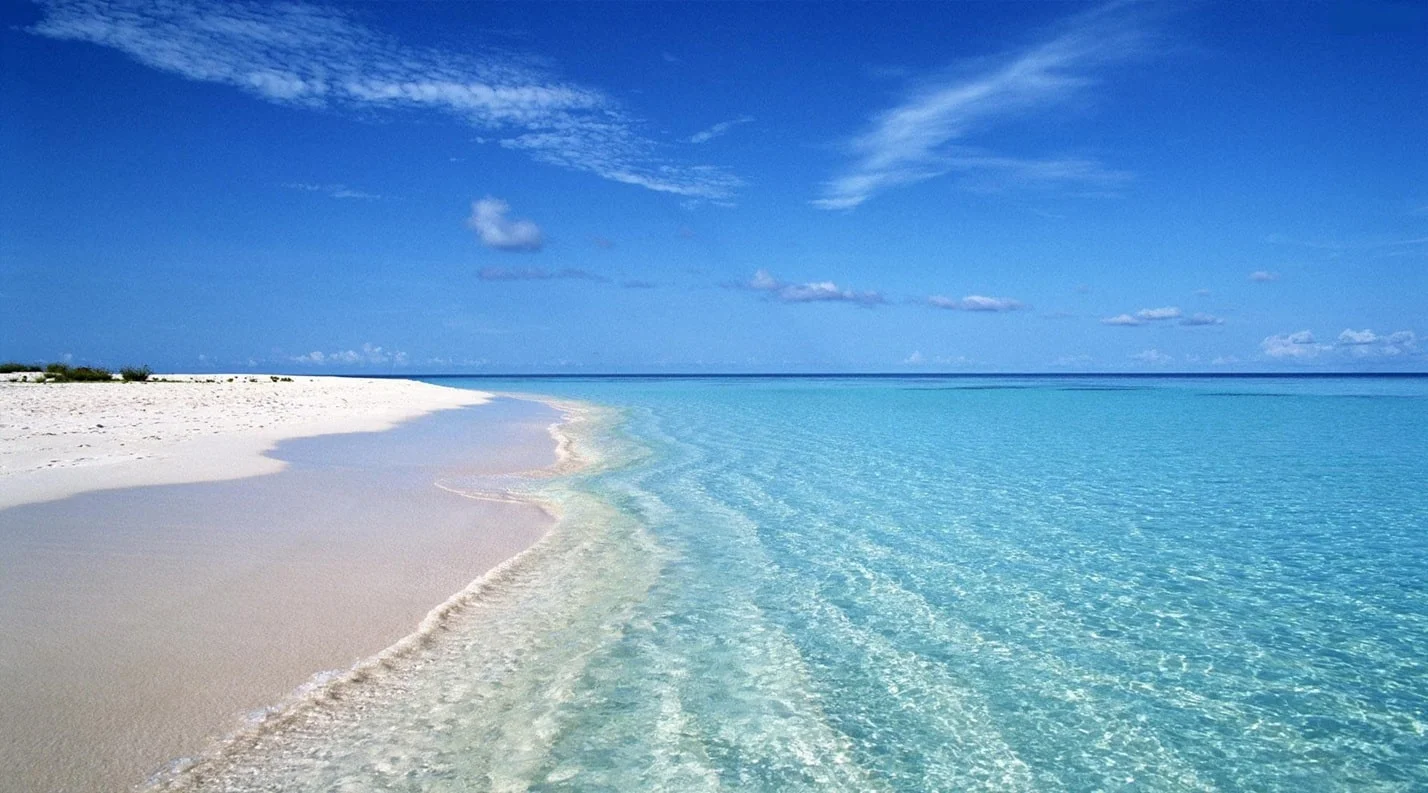
Swimming is pleasant from June to October: the water is above 25 °C from July to October, peaking in August-September. In May it is still around 19-20 °C (a rough figure), tolerable for children only in the middle of the day. From December to March only hardy swimmers go in. The sandy beaches of the east-coast tourist zone suit families well.
Crowds and prices
Rates follow three tiers: the highest from July to mid-August and during French school holidays, a middle tier in May-June and September-October, and the lowest from November to March. Off season, some small hotels in the tourist zone and some beach restaurants close from November to March; Houmt Souk and Midoun stay lively all year.
Ramadan 2027
According to astronomical calculations published in Tunisia, Ramadan 2027 should start around 8 February 2027, with Eid al-Fitr around 9 or 10 March 2027. These dates are approximate: in Tunisia the official announcement follows the sighting of the new moon. During the fasting month many restaurants outside the hotels open late or only after sunset, shop hours shift, and alcohol is served more discreetly. Hotels in the tourist zone run as normal. The upside: few tourists, low prices and lively evenings once the fast is broken. If the souks are your priority, avoid the last week before Eid, when the markets are packed.
Which month for which traveller?
- Families with young children: June or September, for warm sea without the peak heat of July-August.
- Beach and relaxation: July to September, with a preference for September (32 °C, sea around 27 °C, fewer people).
- Culture and walking: March-April or October-November, with 22-28 °C afternoons, to explore the medinas, the fortified mosques and the painted village of Erriadh (Djerbahood).
- Tight budget and quiet: November to February, with discounted accommodation but cool evenings and sometimes windy days.
- Thalasso and gentle sun: March and April, when hotel thalassotherapy centres are open and the heat is still bearable.
What to pack by season
In winter bring a windbreaker and a fleece for the evening, since nights drop to 10 °C. From June to September, sun cream, a hat and a water bottle are essential: the UV index is very high and the island offers almost no shade outside the palm groves. Beach sandals are useful on rocky seabeds, where sea urchins can hide.
Sources
The figures in this guide come from the sources below, checked on the publication date.
- whc.unesco.org
- www.diplomatie.gouv.fr
- en.wikipedia.org
- en.wikipedia.org
- en.wikipedia.org
- en.wikipedia.org
- www.climatestotravel.com
- en.wikipedia.org
- www.djerbaexplore.com
- www.douane.gov.tn
- www.ou-et-quand.net
- www.openstreetmap.org
- www.djerba-insolite.com
- fr.wikipedia.org
- www.diplomatie.gouv.fr
- www.diplomatie.gouv.fr
- www.diplomatie.gouv.fr
- www.diplomatie.gouv.fr
- www.lapresse.tn
- www.combien-coute.net
- generationvoyage.fr