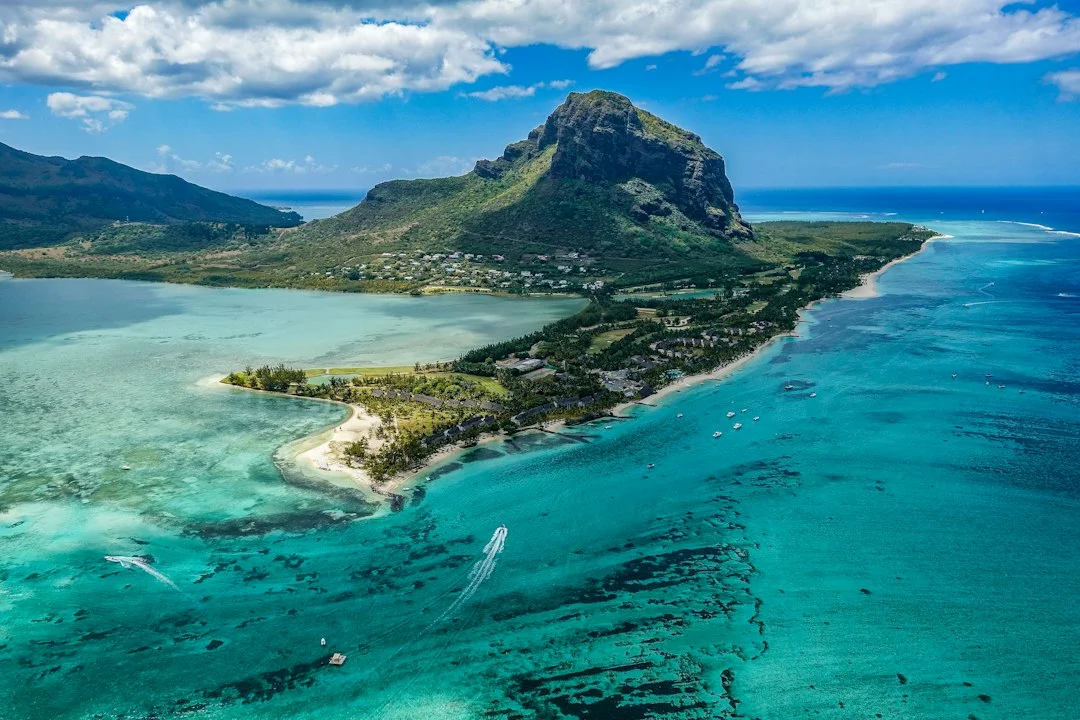


Passport valid at least 3 months on entry to Tunisia, ID cards not accepted, no visa needed for stays of 90 days or less.
Passport: the requirement that catches travellers out
Since 1 January 2025, all visitors, package tours included, must present a passport valid for at least 3 months on the date of entry to Tunisia (rule from diplomatie.gouv.fr, page updated in September 2026). The rule applies to French, Belgian, Swiss and Canadian passports. The national ID card does not allow entry: travel with your passport. Tunisia is neither in the European Union nor in the Schengen area, so no free-movement rules apply.
Visa and length of stay
- French citizens: no visa for a stay of 3 months (90 days) or less.
- Belgian and Swiss citizens: same 90-day visa-free tourist stay; check your own foreign ministry's site.
- Canadian citizens: 90-day visa-free tourist stay with a valid passport; rule to consult on the Government of Canada site (travel.gc.ca).
- Beyond 3 months: a visa and residence card are needed, obtained from the Tunisian Ministry of the Interior. If you overstay, an exit authorisation and a fine proportional to the overstay may be required.
Arriving at Djerba-Zarzis airport
On arrival you show your passport at border police control. Keep your hotel booking and return ticket on you: officers may ask for them, even if the official rule does not require it. No visa or authorisation fee applies to tourist stays of under 3 months.
Dual nationals and minors
A French-Tunisian dual national must enter and leave on a valid Tunisian passport, and keep their French passport or ID card for formalities on return. A French child needs no exit authorisation; if their surname differs from that of the accompanying parent, bring the family record book (livret de famille).
Health
- EHIC: the European Health Insurance Card is not valid in Tunisia, which is outside the EU. Take out travel insurance or assistance covering all treatment, hospital stays and repatriation: without it, care can be refused even in an emergency, and the French embassy cannot pay these costs.
- Vaccines: keep diphtheria, tetanus, polio, whooping cough and measles up to date. Depending on your profile, hepatitis A and typhoid, rabies for stays in rural areas, hepatitis B for long stays. Rabies is present in stray dogs: after a bite or scratch, wash with soap and water and see a doctor immediately.
- Water and food: prefer bottled water opened in front of you; avoid raw vegetables washed in tap water in small restaurants.
- Sea: swim in supervised areas and check the currents.
Customs and money
The Tunisian dinar is non-convertible: importing and exporting it is prohibited. Non-residents must declare on arrival any foreign currency they plan to take out from 5,000 TND upward (declaration valid for up to 3 months; rule to consult on douane.gov.tn). Keep your exchange receipts. Medicines should stay in their original packaging, with the prescription for sensitive treatments.
Tourist tax
A per-person, per-night tourist supplement is often paid directly at the hotel, sometimes on top of the price shown online. Ask the property for the amount before booking.
Driving and licences
To rent a car, bring your valid national driving licence, a photo ID and a bank card for the deposit; the rule on international permits is to consult with the rental company. Traffic drives on the right. Two-wheelers and dangerous driving cause many accidents: be extra careful around pedestrians and motorbikes. Avoid driving off the main roads at night, and plan your route. For a rental car, the company hands you the insurance and registration papers; keep them in the vehicle for roadside checks.
Travelling with pets or medication
Pets need health documents and entry conditions that change; ask the Tunisian authorities or your airline well ahead. For regular medication, carry the prescription and enough for the whole stay plus a few days, as the same brands are not always available in local pharmacies.
When to get organised
Check your passport's expiry date at least two months before departure: if it expires less than 3 months after your planned arrival, renewal can take several weeks. Entry conditions change: check the Tunisia page of diplomatie.gouv.fr before every trip.
Sources
The figures in this guide come from the sources below, checked on the publication date.
- whc.unesco.org
- www.diplomatie.gouv.fr
- en.wikipedia.org
- en.wikipedia.org
- en.wikipedia.org
- en.wikipedia.org
- www.climatestotravel.com
- en.wikipedia.org
- www.djerbaexplore.com
- www.douane.gov.tn
- www.ou-et-quand.net
- www.openstreetmap.org
- www.djerba-insolite.com
- fr.wikipedia.org
- www.diplomatie.gouv.fr
- www.diplomatie.gouv.fr
- www.diplomatie.gouv.fr
- www.diplomatie.gouv.fr
- www.lapresse.tn
- www.combien-coute.net
- generationvoyage.fr