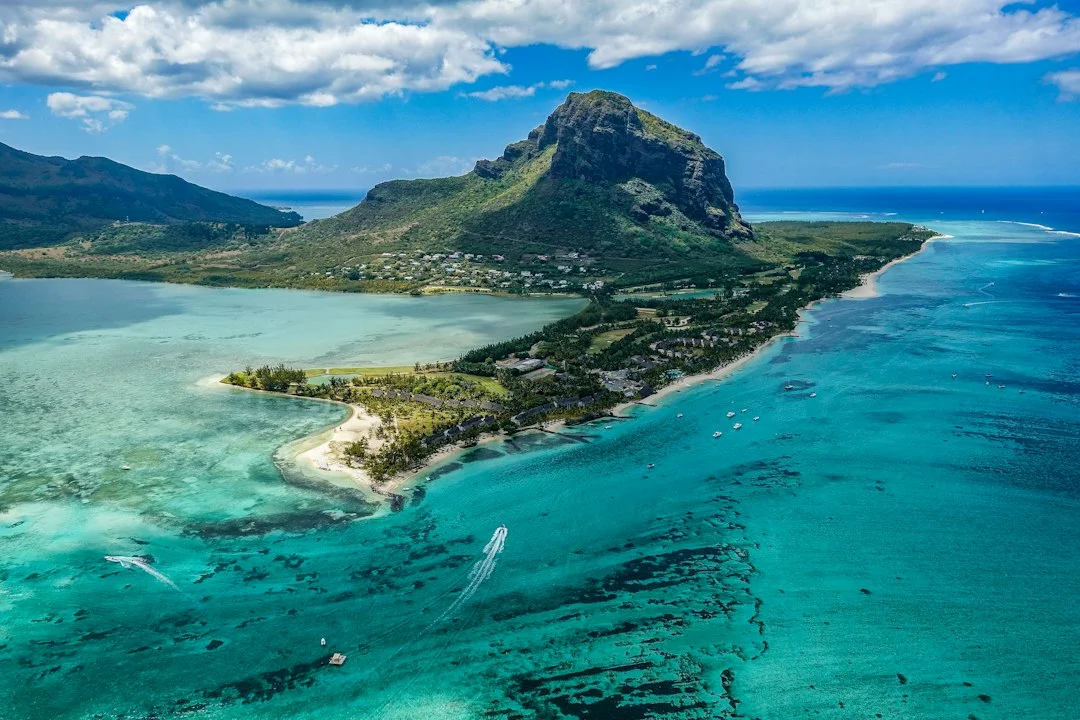


Djerba is under heightened vigilance (yellow zone) per diplomatie.gouv.fr; the Saharan south-east and Ben Guerdane, near the Libyan border, are to be avoided.
Official vigilance level
According to diplomatie.gouv.fr (Tunisia page, updated 15 September 2026), Djerba is classed neither as a red nor an orange zone: the island is part of the rest of the country under heightened vigilance (yellow zone). Beach and cultural tourism operate normally. Zones are updated on the page's security map: consult it before every departure.
Areas to avoid: the south-east and the Libyan border
- Red zone (formally advised against): the Saharan far south, along the borders with Libya and Algeria. It is a military zone where any travel needs prior authorisation. The town of Ben Guerdane, on the mainland near Djerba, is classed red.
- Orange zone (advised against unless essential): the desert south and east of the line Bir Rijm Maatoug, Borj Bourguiba and Ben Guerdane.
- Centre-west: the Chambi, Selloum, Semema, Orbata and Mghila mountains (red), and rural areas between Kasserine, Sbeitla, Sidi Bouzid and Gafsa (orange). They are far from the island.
If you head out on an excursion towards Tataouine or the desert, use a licensed agency, stay on the main roads and never pass a military checkpoint without authorisation.
The road south
To reach the south from the island you take the El Kantara causeway or the Ajim-Jorf ferry. Diplomatie.gouv.fr recommends flying to reach the tourist areas of the south-west and otherwise sticking to main roads and motorways. Avoid driving off the main roads at night, as lighting and signage are uneven and animals cross. Two-wheelers cause many serious accidents: watch for pedestrians and motorbikes, especially in town.
Terrorism and security
Security forces are the main target of attacks in Tunisia, and groups have threatened Western interests and nationals. Keep your distance from places where they are deployed, avoid crowds and demonstrations, and follow the authorities' instructions. Security checks are frequent on the roads and around tourist sites: show your passport without argument.
Theft and scams
- Pickpocketing and bag snatching: in the souks of Houmt Souk and Midoun, keep your bag in front of you, do not show valuables, and take care with jewellery and bags at night.
- Taxis: insist on the meter or negotiate the price before getting in; the gap between the quoted and actual fare is the main source of disputes.
- Souks: prices quoted to tourists are often double the final price; haggle calmly.
- Fake guides and pushy sellers: a firm "no, thank you" is enough.
Sea, sun and health
- Swimming: choose a supervised beach, check the currents and do not swim after drinking alcohol; a red flag means no swimming.
- Heat: from June to September peaks exceed 40 °C in a sirocco; drink plenty and avoid the sun between noon and 4 pm.
- Stray animals: rabies is present in stray dogs; after a bite, wash the wound and see a doctor immediately, even if vaccinated.
- Water and food: prefer bottled water and avoid raw vegetables and reheated dishes in small eateries.
Emergency numbers
- 190: SAMU, medical emergencies.
- 197: police.
- 193: National Guard, mostly in rural areas.
- 198: Civil Protection, fires, road accidents and sea rescue.
- French embassy in Tunis: +216 31 315 000.
Take out insurance with assistance and repatriation before you go: the ambulance network is limited outside Tunis, and a medical transport can be expensive.
Staying in touch
Check your phone plan before departure: Tunisia is outside the EU roaming area, so data can be expensive. A local SIM or eSIM bought on arrival is usually cheaper, and many hotels, cafés and guesthouses offer free wifi.
Before you leave
Register with the Fil d'Ariane scheme on diplomatie.gouv.fr (for French nationals) to receive alerts, carry a copy of your passport and keep a digital version. On site, report a theft at the nearest police station to get the report your insurer will require. Check the ministry's Tunisia page just before departure: the advice is reassessed regularly, and the page carries its last update date, worth noting on the day you leave.
Sources
The figures in this guide come from the sources below, checked on the publication date.
- whc.unesco.org
- www.diplomatie.gouv.fr
- en.wikipedia.org
- en.wikipedia.org
- en.wikipedia.org
- en.wikipedia.org
- www.climatestotravel.com
- en.wikipedia.org
- www.djerbaexplore.com
- www.douane.gov.tn
- www.ou-et-quand.net
- www.openstreetmap.org
- www.djerba-insolite.com
- fr.wikipedia.org
- www.diplomatie.gouv.fr
- www.diplomatie.gouv.fr
- www.diplomatie.gouv.fr
- www.diplomatie.gouv.fr
- www.lapresse.tn
- www.combien-coute.net
- generationvoyage.fr