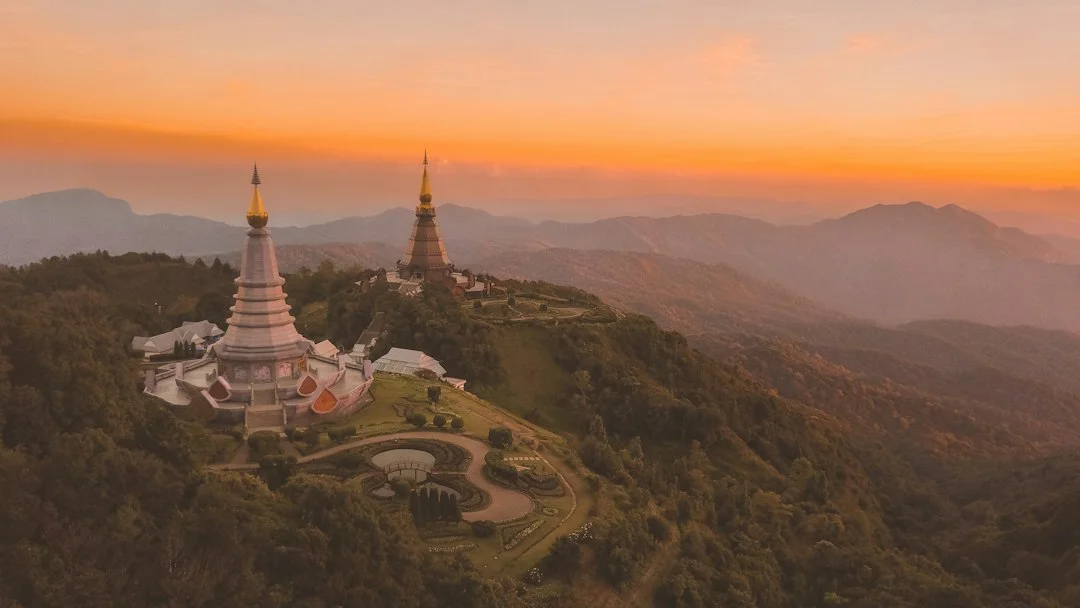


A very safe country for travellers; precautions concern typhoons, heat waves, fine dust and the rules on a DMZ visit.
South Korea is a country where you leave a bag in a café and find it there an hour later. Theft is rare, assaults exceptional, and women travel alone without particular concern, including late at night on the metro. The real risks are weather, road and health related, and a few habits take care of them.
Emergency numbers and help on the ground
- 112: police (the line has simultaneous interpreting in several languages).
- 119: fire brigade and ambulances.
- 1330: the Korea Travel Hotline run by the tourist office, 24 hours a day; it answers in English, Japanese and Chinese, and sometimes other languages, for any practical question, from emergency translation to lost property.
- Your embassy in Seoul: contact details and the consular emergency number are on your foreign ministry's travel advice page (for French citizens, the "Contacts utiles" page of France Diplomatie; register with the Ariane service before leaving).
Official vigilance level
The official vigilance level is published on the South Korea page of France Diplomatie's travel advice (last update seen: 4 November 2026), whose "Carte sécuritaire" details the areas concerned; the surroundings of the demilitarised zone are the only places where access is restricted. Check that page, or your own country's equivalent, before each departure, as levels can change.
Typhoons and extreme weather
The typhoon season runs from June to November according to France Diplomatie, peaking in August-September, and hits Jeju and the south coast (Busan, Ulsan) first. Flights and ferries to and from Jeju can be cancelled by the hundred for a day or two: allow a 24 to 48 hour margin before an international flight and take insurance that covers cancellation. Follow the bulletins of the Korea Meteorological Administration (KMA, web.kma.go.kr, "Weather" app), stay away from coastlines, mountain trails and swollen rivers during a warning, and remain indoors.
In July-August, heat waves combine 33-35°C and high humidity, with tropical nights above 25°C: drink water and avoid visits between noon and 4 pm. In Busan, jellyfish and rip currents mean you should only swim in supervised areas. In winter, black ice makes the pavements of Seoul and mountain trails slippery: pack shoes with a grippy sole.
Fine dust and air quality
In spring, mostly from March to May, fine dust (PM2.5) and yellow dust from the Gobi Desert veil the sky and irritate throat and eyes for a few days. Asthmatics, children and seniors should monitor the air quality index on airkorea.or.kr or the KMA app, and wear a KF94 filter mask, sold in pharmacies at 500-1,500 won each. The palaces stay open, but plan indoor activities (museums, covered markets) about one day in ten at that time of year.
The Korean peninsula: DMZ and alert drills
Tension with North Korea makes the headlines but has no effect on visitors' daily lives. Civil-defence drills, with sirens and phone messages, take place a few times a year; Seoulites ignore them, and you should simply follow hotel staff. A visit to the DMZ is supervised by the army and the UN: book through an approved agency, follow the guide, only photograph where it is allowed, respect the dress code (no shorts or military-style clothing) and expect that access to the Joint Security Area (JSA) can be suspended without notice. Never approach the border outside organised excursions.
Scams and small precautions
- Taxis: insist on the meter; the Kakao T app shows the price in advance. Orange "international" taxis display their fares.
- Drinks: in bars and clubs in Itaewon, Hongdae and Gangnam, never leave a drink unattended; cases of spiked drinks, rare, are flagged by embassies.
- Money changing: avoid street changers; withdraw from "Global ATM" machines.
- Traffic: delivery scooters ride on pavements; cross only at pedestrian crossings.
- Hiking: trails are busy, but mountain weather changes fast; on Hallasan, respect the descent times set by the park (booking compulsory).
Health and care
The healthcare system is excellent and expensive for a foreigner without insurance: a consultation costs 30,000 to 60,000 won, a night in hospital far more. Take out travel insurance with repatriation before you leave. Pharmacies, marked with the word 약 (yak), sell everyday products without a prescription. Seoul's main hospitals, such as Severance or Asan, have an English-speaking international clinic. Mosquitoes call for repellent from June to September; on wooded trails, ticks are possible: long clothing and a body check.
Sources
The figures in this guide come from the sources below, checked on the publication date.
- www.diplomatie.gouv.fr
- www.gov.uk
- www.e-arrivalcard.go.kr
- www.k-eta.go.kr
- english.visitkorea.or.kr
- royalpalace.go.kr
- whc.unesco.org
- whc.unesco.org
- whc.unesco.org
- whc.unesco.org
- whc.unesco.org
- www.korail.com
- eng.templestay.com
- www.jeju.go.kr
- www.cia.gov
- www.ou-et-quand.net
- us.trip.com
- www.diplomatie.gouv.fr
- taxnews.ey.com
- english.visitkorea.or.kr
- www.k-eta.go.kr
- airkorea.or.kr
- web.kma.go.kr