

Contents 25
Overview
Dubai takes 4 to 5 days, and a week lets you add Abu Dhabi, the UAE capital 130 km away: Downtown towers, the old Creek, desert and beaches, ideally from November to March, when highs sit around 24 to 31 °C.
Dubai is the tourist gateway to the United Arab Emirates, a federation of seven emirates. A first trip here spans two worlds a few metro stops apart: the Dubai of towers, around the Burj Khalifa and Dubai Marina, and old Dubai on the Creek, where abras still cross between the Deira souks and the wind-tower houses of Al Fahidi. The desert starts less than an hour's drive from the centre.
Abu Dhabi, the federal capital, is reachable by bus or car. You go for two visits that justify the trip on their own: the Sheikh Zayed Grand Mosque and the Louvre Abu Dhabi, on Saadiyat Island. A day trip is enough; a night there lets you see the mosque at sunset.
- Currency: UAE dirham (AED), about AED 4.3 to €1 (indicative, October 2026); the dirham is pegged to the US dollar
- Time difference: GMT+4, i.e. +2 h on Paris in summer and +3 h in winter
- Languages: Arabic is official, English is used everywhere in tourism
- Visa: none for French citizens, 90 days in 180; other passports, see Entry requirements
- Best time: November to March
Dubai is one of the easiest winter-sun escapes from Europe: our where to go in December guide compares it with the month's other options.
Plan your trip
12 places to take with you
In the guide's order, ready for Google Maps or your GPS.
Book the activities from this guide
Our picks for Dubai, well rated and free to cancel.
-
Book this activity
Red dune desert safari with BBQ dinner
À partir d'environ 35 € par personne, transport en 4x4, dîner barbecue et balade à dos de chameau inclus
-
Book this activity
Yacht cruise in Dubai Marina, out to the Burj Al Arab
À partir d'environ 22 € par personne ; petit-déjeuner ou barbecue selon l'option
-
Book this activity
Burj Khalifa: levels 148, 124 and 125
À partir d'environ 96 € par personne, niveaux 148, 124 et 125, accès coupe-file et salon inclus
Affiliate links: Travel Advice earns a commission if you book, at no extra cost to you. Learn more

Al Marmoom Reserve and Al Qudra Lakes
At the end of the Al Qudra road, the towers disappear and lakes fringed with ghaf trees appear in the middle of the dunes, with their waterbirds and sometimes an oryx in the distance.
Visit Dubai describes Al Marmoom as the largest unfenced nature reserve in the UAE. It protects part of Dubai's desert, its gazelles, its Arabian oryx and the migratory birds that stop at the man-made Al Qudra lakes.
Come by car for sunset, by bike on the cycle track that crosses the reserve, or on a safari with a licensed operator. Allow half a day including the drive from the centre.
Here you get the desert without the crowds of the dinner-show camps, with a chance of spotting wildlife roaming free.

Burj Khalifa
From the lakeside promenade, you have to tip your head back to follow the silver spire into the sky; from the top, the other Downtown towers look like scale models.
The Burj Khalifa has towered over Downtown Dubai since it opened in 2010. Its At the Top observation decks are on levels 124 and 125, with a third, higher and pricier one on level 148.
The visit takes about 1.5 hours: an exhibition on the construction, a high-speed lift ride, then a walk around the glazed terraces with views over the city, the Gulf and the desert.
From up there, you understand how the city stretches between the coast and the dunes, and where the neighbourhoods you'll visit next sit.
Follow it with the fountain show at the foot of the tower, free from the promenade.

Sheikh Zayed Grand Mosque (Abu Dhabi)
At midday the white marble throws back an almost blinding light; at sunset the domes turn pink and the pools reflect the minarets.
Abu Dhabi's main mosque welcomes visitors of all faiths. Since September 2026, entry costs AED 10 for a visitor, and free guided tours leave at 11 a.m., 1 p.m. and 5 p.m.
You walk through the marble courtyards and the great prayer hall with its chandeliers along a marked route; allow one and a half to two hours.
Visitors of all faiths are welcomed every day, with a marked route and three free guided tours: the best introduction to the country's contemporary Islamic architecture.
Dress is checked at the entrance: loose clothes down to the ankles and covered arms for everyone, a headscarf for women.

Louvre Abu Dhabi
Under the huge latticed dome, light falls in shifting patches on the floor and on the water around the museum, like under a palm grove.
Opened in 2017 on Saadiyat Island, the Louvre Abu Dhabi was born of an agreement between the UAE and France. Its galleries follow the story of humanity chronologically, mixing civilisations rather than separating them.
Allow two to three hours for the galleries, then a stroll under the dome, open until midnight. Adult entry costs AED 70; it's free for under-18s.
Gallery texts come in Arabic, English and French, which makes the visit easy whichever of those languages you read.

The Dubai Mall and Dubai Fountain
When the music starts, the jets shoot up from the lake in rhythm, and the whole promenade falls silent for a moment in front of the lit-up Burj Khalifa.
The Dubai Mall, at the foot of the tower, gathers shops, an aquarium, an ice rink and restaurants, linked to the metro by an air-conditioned walkway. The fountain fills the lake between the mall and the Burj Khalifa.
The show is free to watch from the promenade or the Souk Al Bahar terraces. To see it at water level, a traditional boat ride on the lake runs during the show.
Burj Khalifa, dinner and fountain thus fit into a single evening, without getting back on the metro.

Al Fahidi Historical Neighbourhood and Dubai Creek
Between the beige walls and the wind towers, Al Fahidi's lanes keep the shade and the quiet, a few steps from the abras coming and going on the Creek.
This Bur Dubai neighbourhood has kept the merchants' houses built before oil arrived, with their barjeel, towers that caught the wind to cool the rooms. Today it houses galleries, cafés and small museums.
Wander here for an hour or two, then head to the jetty to cross the Creek by abra to Deira, a few minutes' ride in a wooden boat.
You see the city as it was before the skyscrapers, and the abra is still the oldest form of transport running on the Creek.

Museum of the Future
The steel ring, set beside Sheikh Zayed Road, is covered in cut-out Arabic calligraphy that lets light through at night.
Opened in 2022, the Museum of the Future has no collection: its floors host immersive installations on space, ecology and health as imagined for the coming decades.
Allow about two hours, with a time slot booked online. The building can also be photographed for free from Emirates Towers metro station.
The facade costs nothing to see; the inside will appeal more to fans of immersive experiences than to lovers of classic museums.

Palm Jumeirah and The View at The Palm
Seen from above, the island really does draw a palm tree: a trunk lined with towers, fronds edged with villas and a crescent shielding it from the sea.
Palm Jumeirah is a man-made island reclaimed from the Gulf, served by a monorail running to the Atlantis hotel at the top of the crescent. The View at The Palm observation deck, in the middle of the trunk, is the one place where you see its whole shape.
The trip up the observation deck takes an hour; the rest of the island is covered by monorail, with a stop on the crescent's promenade or at a beach club.
The observation deck is enough to grasp the island's shape, without paying for a helicopter flight.

Jumeirah Beach and Burj Al Arab
Standing in the warm water, you face the white sail of the Burj Al Arab, set on its own island a few hundred metres offshore.
The sail-shaped hotel became Dubai's emblem in the late 1990s. It sits off Jumeirah, a residential district lined with public beaches, including Umm Suqeim, the closest to the hotel.
Spend half a day here: a swim from the public beach, a walk to the Madinat Jumeirah souk, and photos of the Burj Al Arab at sunset.
You swim for free with, across the water, the landmark that appears on every postcard of the city.

Deira Gold and Spice Souks
On the Deira side, the scent of saffron and incense drifts out of open sacks, then, a street further, the shop windows overflow with gold jewellery.
The two souks are a few minutes' walk from the abra jetty, in the heart of Dubai's old trading district. The spice souk also sells incense, tea, dried fruit and souvenirs; the gold souk lines up hundreds of jewellers.
An hour is enough for both, browsing at leisure: you taste, compare prices and watch the jewellers at work.
The two souks are the natural follow-on from the Al Fahidi walk, across the Creek, and better than the malls for buying spices and incense.

Dubai Marina and JBR Beach
In the evening, the towers are mirrored in the canal, yachts head back to port and the Marina promenade fills with strollers and terraces.
The district was built around a man-made canal, in the west of the city, at the end of the metro Red Line. It continues into JBR (Jumeirah Beach Residence), with its public beach and pedestrian promenade, linked to the metro by tram.
Come for an evening: a walk along the canal, dinner on a terrace, then JBR beach. Boat cruises also leave from the Marina.
The beach, restaurants and the tram close by make it a practical base for a stay that mixes beach and city.

Dubai Frame
From the glass bridge, old Dubai spreads out on one side and the Downtown towers on the other, like two cities framed by the same picture.
The Dubai Frame is a giant gilded frame in Zabeel Park, between Bur Dubai and Downtown. A glass lift climbs to its panoramic bridge, 150 m up, part of whose floor is see-through.
The visit takes under an hour: a gallery on Dubai's past, the bridge, then an exhibition on the city as imagined for 2050.
The frame sums up old and new Dubai at a glance, and makes a good link between the Al Fahidi visit and the rest of the city.
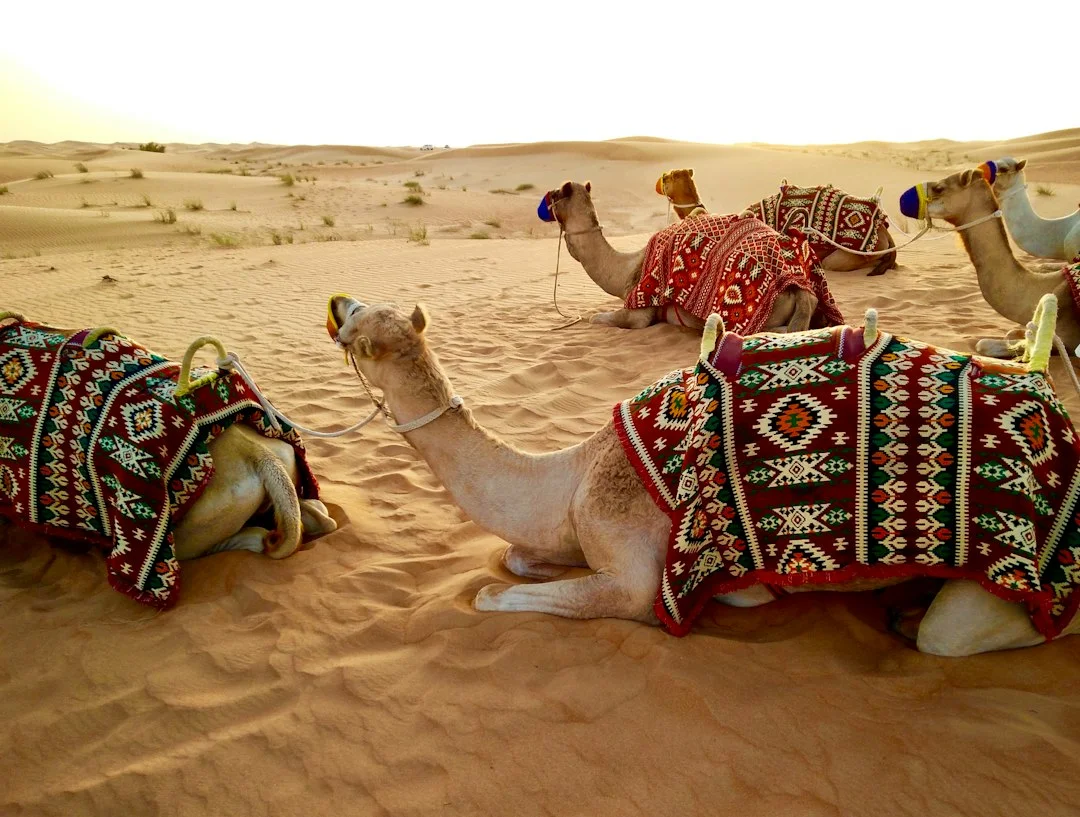
Red dune desert safari with BBQ dinner
An air-conditioned 4x4 picks you up from your hotel and heads to the red dunes around Dubai for dune bashing, a photo stop on top of a high dune and a go at sandboarding. The highlight: sunset over the desert, before a short camel ride and the barbecue dinner at the camp.
An outing for all ages, subject to the restrictions on the listing: dune bashing is bumpy. The quad bike is optional; the French foreign ministry reports frequent accidents, so ride carefully.
- 4 h, prise en charge à l'hôtel
- À partir d'environ 35 € par personne, transport en 4x4, dîner barbecue et balade à dos de chameau inclus
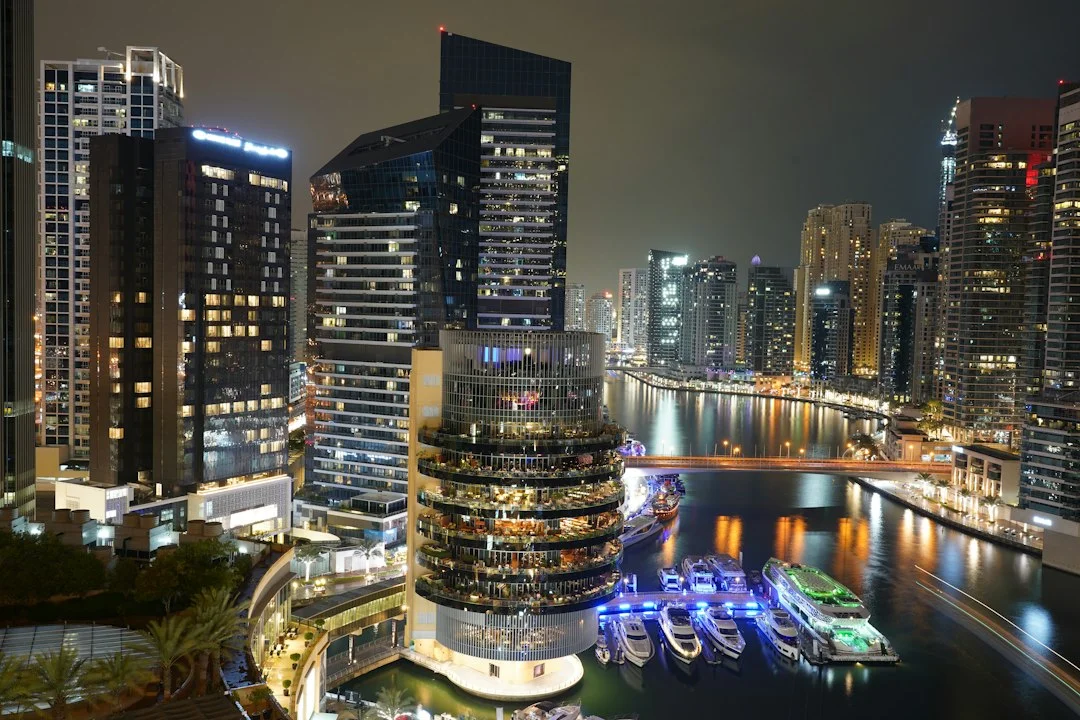
Yacht cruise in Dubai Marina, out to the Burj Al Arab
The yacht leaves the Dubai Marina harbour, runs past the canal towers then heads out to sea to pass the Burj Al Arab. Depending on the option, the morning cruise includes a light breakfast and the sunset one a barbecue meal, enjoyed on the upper deck or in the air-conditioned lounge.
Ideal for families or couples, with no particular effort required. Arrive 30 minutes before departure; the one-hour option includes no meal.
- 1 à 3 h selon l'option
- À partir d'environ 22 € par personne ; petit-déjeuner ou barbecue selon l'option
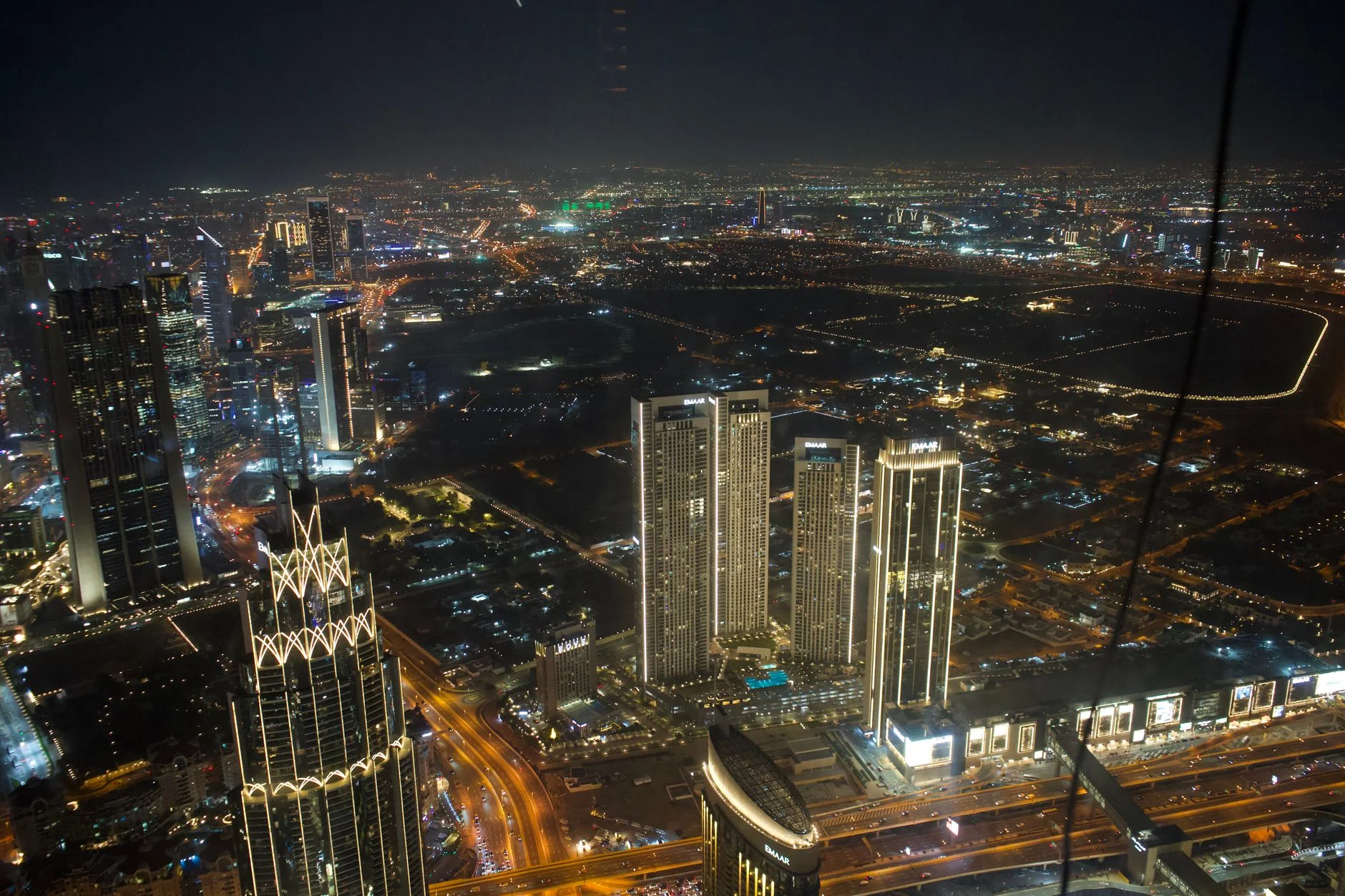
Burj Khalifa: levels 148, 124 and 125
The most complete Burj Khalifa ticket: fast-track access through security and to the lifts, an introductory tour, a lounge with snacks and hot drinks on level 148, then down to the level 124 and 125 terraces. The highlight: the view from level 148, above the main decks.
For those who want to skip the queues and see the city from the highest point open to the public. Choose the sunset option for golden light, and bring ID.
- 1 h 30
- À partir d'environ 96 € par personne, niveaux 148, 124 et 125, accès coupe-file et salon inclus
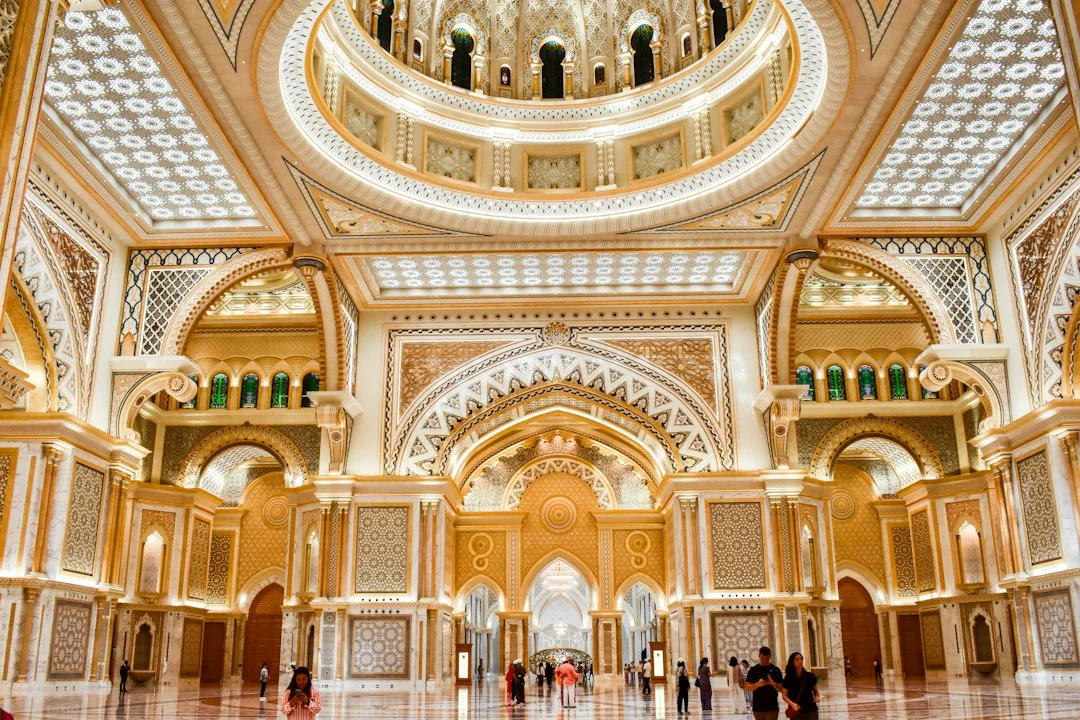
Abu Dhabi day trip: Sheikh Zayed Grand Mosque and the Louvre
An air-conditioned vehicle collects you from your Dubai hotel and drives to Abu Dhabi, where the guide spends two hours at the Sheikh Zayed Grand Mosque and two hours at the Louvre Abu Dhabi, with a photo stop on the Corniche. Entry to both sites is included, and tours run in English, French and German.
The simplest way to see Abu Dhabi without renting a car. Bring modest clothing for the mosque; depending on the operator, suitable cover-ups may be provided.
- 7 à 9 h, prise en charge à l'hôtel à Dubaï
- À partir d'environ 91 € par personne, transport, guide et entrées de la mosquée et du Louvre inclus
Old Dubai on foot: souks, street food and abra
The guide leads you through the lanes of Al Fahidi, into an Emirati house and to the Al Khayma heritage house for street food and coffee, before walking the Al Seef promenade. An abra ride across the Creek then takes you to the textile, gold and spice souks, with free time for shopping.
A good first half-day to get your bearings in old Dubai, on foot and with no difficulty. Guided tours in several languages, including English and French depending on the departure.
- 3 à 4 h
- À partir d'environ 24 € par personne, dégustations, entrées des sites patrimoniaux et traversée en abra inclus
Getting there
You fly into Dubai International (DXB), linked to the centre by the metro Red Line, or into Abu Dhabi (AUH); direct flights from Paris take about 7 hours.
Dubai International Airport (DXB) is the most convenient gateway: it sits within the city, on the Deira side, and the metro Red Line links it to Downtown and Dubai Marina. Gulf carriers and several European airlines fly direct from Paris in about 7 hours, and from London in a similar time. Abu Dhabi Airport (AUH) is an alternative when the ticket is cheaper, as long as you factor in the road trip to Dubai.
On arrival, French citizens simply get a stamp in their passport, with no visa to apply for beforehand (details in Entry requirements). Official taxis wait outside the terminals; a transfer booked in advance saves you hunting for a cab after a night flight.
If you're continuing to the neighbouring sultanate, our Oman road trip guide covers the drive from the Emirates and Oman's entry rules.
Getting around
In Dubai, the metro and tram cover most sights with a Nol Silver card at AED 25 (AED 19 of credit included); taxis or ride-hailing fill in for old Dubai and the beaches, and a car is only useful for the desert or Abu Dhabi.
The Dubai Metro has two lines, Red and Green, and the Red Line serves the airport, Downtown (Burj Khalifa/Dubai Mall station) and Dubai Marina. A tram extends the network around the Marina and JBR. Everything is paid with a Nol card: the Silver card costs AED 25, including AED 19 of credit, and works on the metro, tram, buses and boats run by the RTA, the transport authority.
To cross the Creek, the abra, a small wooden boat, links Bur Dubai and Deira in a few minutes for a token fare. Taxis and ride-hailing apps are plentiful and handy for the Jumeirah beaches, which the metro serves poorly.
A rental car is useful for the Al Marmoom desert or Abu Dhabi. A French licence is accepted for rentals, but check with the company that the insurance covers a driver without an international permit; drivers from other countries should check their own licence rules. France's foreign ministry warns about aggressive driving on the Dubai-Abu Dhabi motorway and points out that no trace of alcohol is tolerated behind the wheel. Also beware of suspiciously cheap rental offers: it is the scam most often reported by travellers.
Without a car, Abu Dhabi is reachable by RTA bus from Dubai (allow about AED 25 and 1.5 to 2 hours, based on reported fares), or on an organised day trip.
What to do
The must-sees for a first trip are the Burj Khalifa and Dubai Fountain, old Dubai in Al Fahidi and the souks, the Al Marmoom desert, the beach facing the Burj Al Arab, then the Sheikh Zayed Grand Mosque and the Louvre in Abu Dhabi.
A first stay comes together in three blocks: Downtown (Burj Khalifa, Dubai Mall and the fountain, the Museum of the Future) over one day, old Dubai (Al Fahidi, an abra across the Creek, the gold and spice souks) over half a day, then the coast (Jumeirah beach facing the Burj Al Arab, Palm Jumeirah, Dubai Marina).
The desert takes half a day, on an organised safari or by car to the Al Qudra lakes in the Al Marmoom reserve. Abu Dhabi needs a full day: the Sheikh Zayed Grand Mosque in the morning or late afternoon, then the Louvre Abu Dhabi.
Dubai's big attractions are booked online with a time slot, especially the Burj Khalifa at sunset. A sightseeing pass bundles several entries if you plan many of them; it only pays off from three or four paid visits.
Food
You can eat anything in Dubai, from Deira's Indian and Lebanese canteens to Downtown's big restaurants; try Emirati food (machboos, luqaimat), and note that alcohol is only served in hotels and licensed venues.
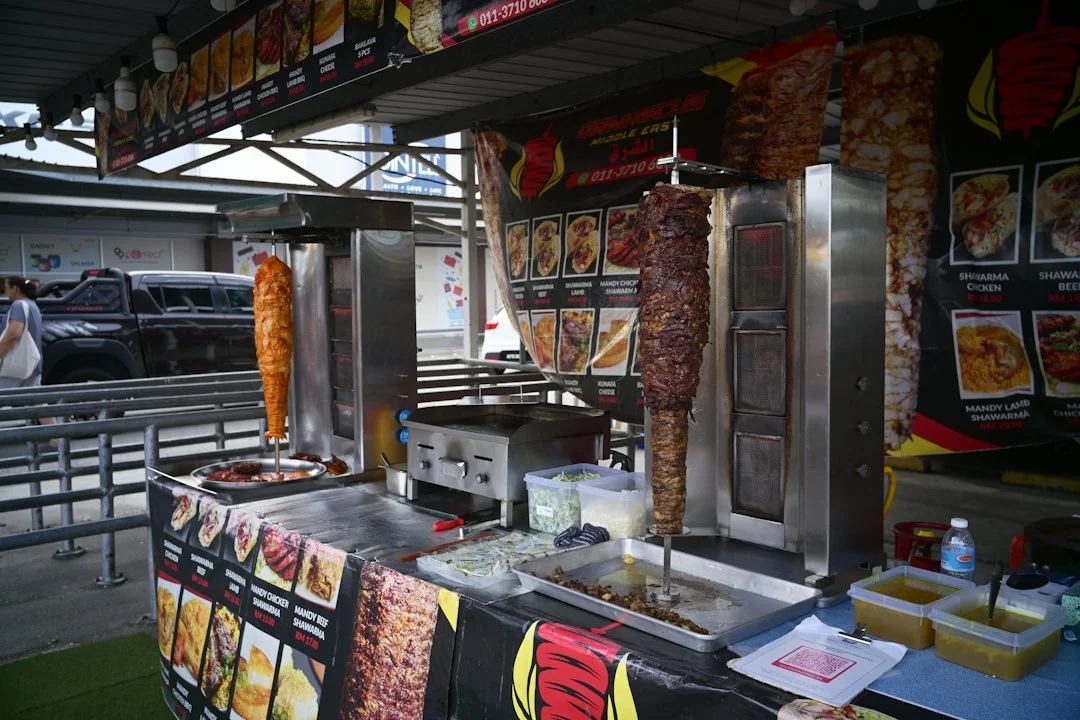
Dubai runs largely on its expat population, and its food shows it: the best cheap eats are the Indian, Pakistani and Lebanese canteens of Deira and Bur Dubai, where a shawarma or a rice dish costs a few dozen dirhams at most.
Emirati cooking can be found in a handful of restaurants in old Dubai and Al Seef: machboos (spiced rice with meat or fish), harees (slow-cooked wheat and meat) and luqaimat, dumplings in date syrup. Cardamom Arabic coffee and dates come with every visit to a traditional house.
- Alcohol: for non-Muslims over 21 only, in licensed hotels, bars and restaurants. It is banned in the emirate of Sharjah, and being drunk in public can lead to prison (French foreign ministry).
- Ramadan: in Dubai and Abu Dhabi, many restaurants stay open by day for non-fasters, but you don't eat in public.
- Water: bottled water is the norm for travellers; drink plenty, even in winter.
Itineraries
In 4 days, Dubai alone: Downtown, old Dubai, the desert and the beach; in 6 to 7 days, add a day or a night in Abu Dhabi for the Sheikh Zayed Grand Mosque and the Louvre.
Dubai in 4 days
- Day 1: Downtown, Dubai Mall, the Burj Khalifa at sunset and the fountain show.
- Day 2: old Dubai, Al Fahidi in the morning, an abra across the Creek, the gold and spice souks, the Dubai Frame late in the day.
- Day 3: the Museum of the Future in the morning, a desert safari in the afternoon.
- Day 4: Jumeirah beach facing the Burj Al Arab, Palm Jumeirah, an evening at Dubai Marina.
Dubai and Abu Dhabi in 6 to 7 days
- Days 1 to 4: the plan above, at a slower pace.
- Day 5: bus or car to Abu Dhabi, the Louvre Abu Dhabi, overnight there.
- Day 6: the Sheikh Zayed Grand Mosque at opening time or late afternoon, back to Dubai.
- Day 7: the Al Qudra lakes in the Al Marmoom reserve, or a last beach day.
For a longer trip, Oman is reachable by road from the Emirates: our Oman road trip strings together desert, wadis and the Musandam fjords.
Tips
Dress modestly away from the beach and pool, book the Burj Khalifa and big attractions ahead, sightsee in the morning and evening, and follow the Ramadan rules if you travel during that month.
- Dress: modest clothing is expected in public places. Women don't have to cover their hair except in mosques, where arms and legs must also be covered; topless sunbathing and nudity are banned on beaches.
- Ramadan: don't eat, drink, chew gum or smoke in public during the day, including in your car.
- Opening hours: on Fridays, the Sheikh Zayed Grand Mosque closes to visitors between 11:30 a.m. and 2:30 p.m., and the city slows down around prayer time.
- Heat: even in winter, the sun is strong between noon and 3 p.m.; save those hours for museums and the metro.
- Scams: car and private holiday rentals are the most reported, along with mirror websites whose address is almost identical to an official one.
- Drones: banned in many areas without prior authorisation.
FAQ
French citizens need no visa for Dubai: a stamp on arrival allows 90 days in 180, with a passport valid for 6 months; other passports should check their own rules.
Do I need a visa for Dubai?
Not as a French citizen: a stamp on arrival allows a stay of up to 90 days in 180, with a passport valid for at least 6 months on entry, and emergency passports are not accepted. Other nationalities should check with the UAE embassy or their government's travel advice.
What is the best time to visit Dubai?
November to March, with average highs from 24 °C in January to 31 °C in November. In July and August they exceed 41 °C.
How much does a week in Dubai cost?
Allow about €60 to €85 per person per day on a budget and €130 to €210 mid-range, flights excluded, which comes to €420 to €600 and €900 to €1,500 on the ground for seven days.
Can you drink alcohol in Dubai?
Yes if you're a non-Muslim over 21, only in licensed hotels, bars and restaurants. Being drunk in public can lead to prison and no trace of alcohol is tolerated behind the wheel.
How do you get from Dubai to Abu Dhabi?
By RTA bus (about 1.5 to 2 hours), rental car, taxi, or an organised day trip, which often includes the Sheikh Zayed Grand Mosque and the Louvre.
What should I wear in Dubai?
Modest clothing in public places, ideally covering shoulders and knees. Swimwear is for the beach and pool only, and the Sheikh Zayed Grand Mosque requires loose clothes down to the ankles, with a headscarf for women.
How much is the Sheikh Zayed Grand Mosque entry fee?
AED 10 for a visitor since September 2026, with free guided tours at 11 a.m., 1 p.m. and 5 p.m. (no 1 p.m. tour on Fridays).
How many days do you need in Dubai?
Four days are enough for Dubai alone; six to seven days let you add Abu Dhabi without rushing.
Sources
The figures in this guide come from the sources below, checked on the publication date.
Leave a comment
Share your thoughts or travel experience. Your email will not be published.