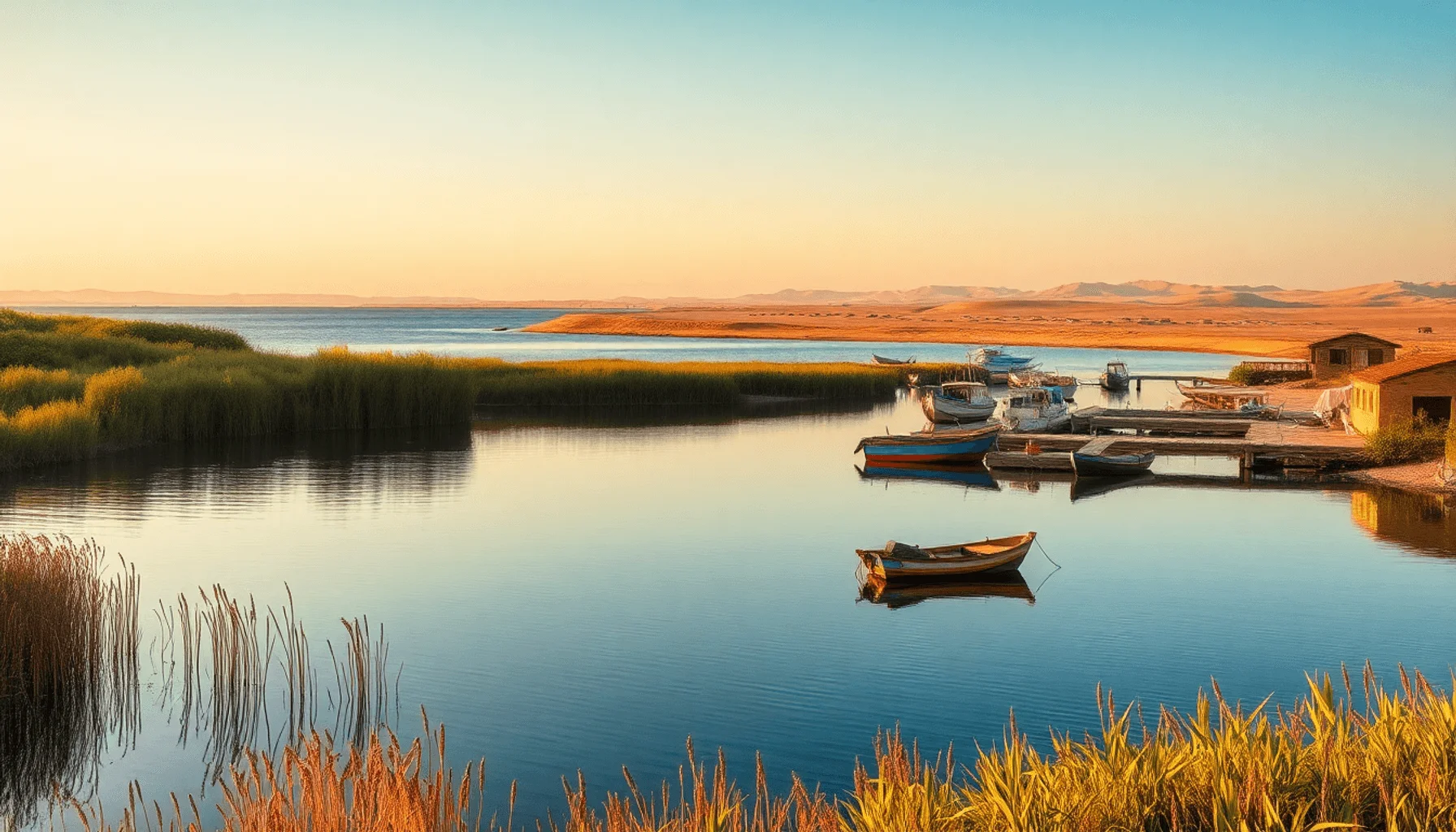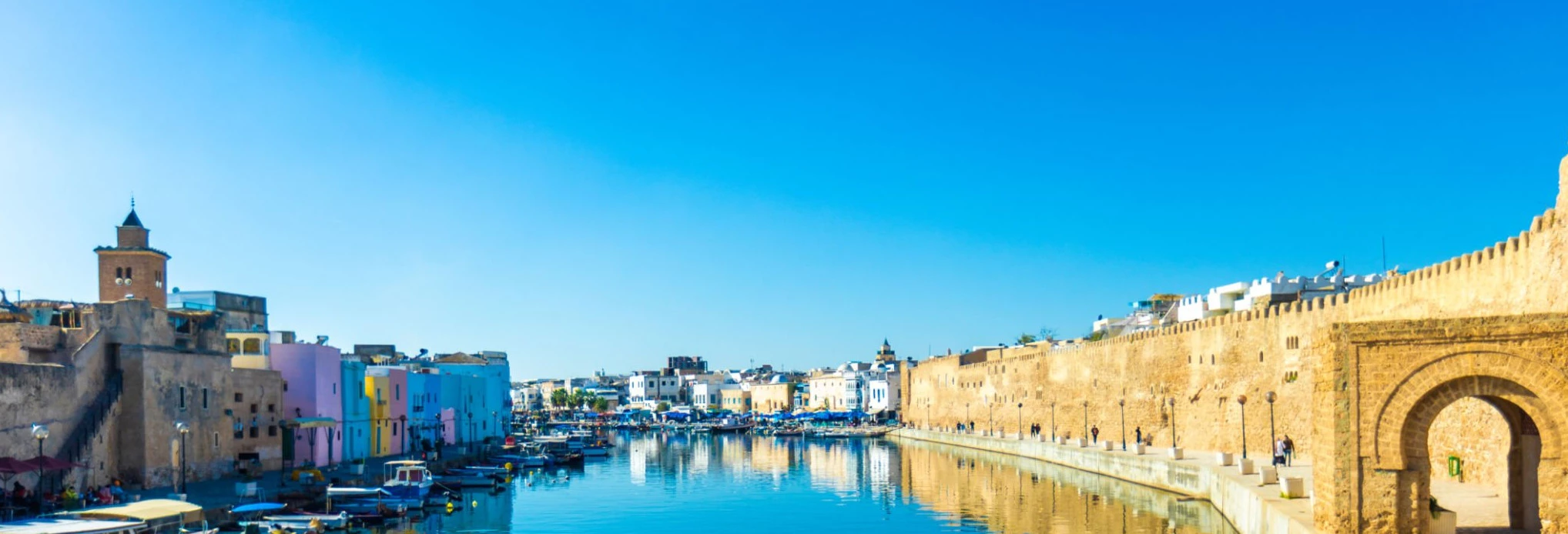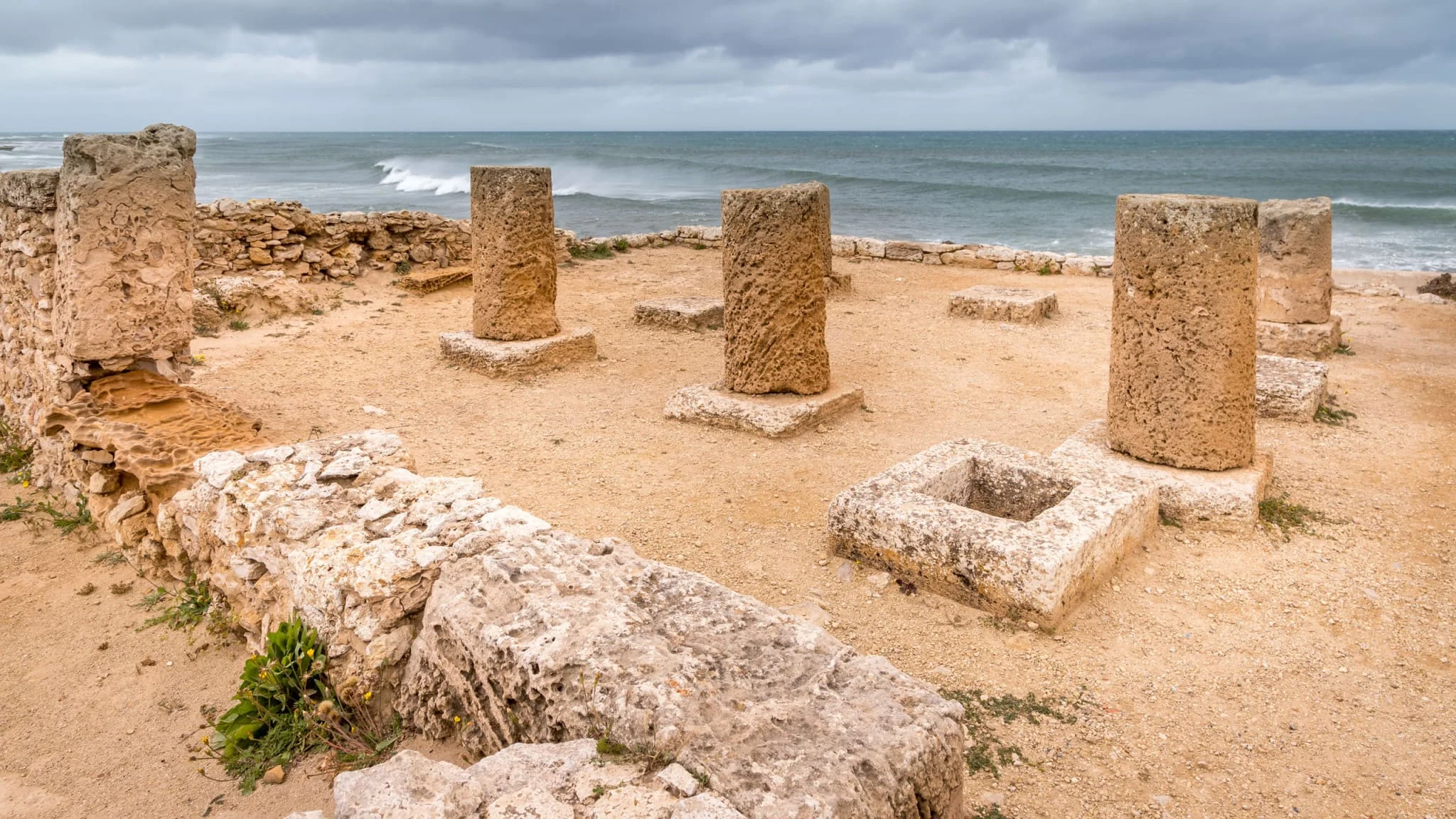


Kelibia, on Cap Bon, lies outside Tunisia's advised-against zones; usual risks are the sea, the road and theft (emergency 197, 190, 198).
Official vigilance level
France Diplomatie places Tunisia under heightened vigilance for French nationals (page consulted in November 2026). The zones formally advised against, or advised against except for compelling reasons, lie along the borders: the Saharan south (desert and the Libyan border) and the western mountains (border areas with Algeria). Cap Bon, where Kelibia stands, is a north-eastern seaside territory outside those zones. Check the security map on diplomatie.gouv.fr before each departure: it is the authority.
Real risks in Kelibia
The terrorism risk is not zero in Tunisia, but it is concentrated away from Cap Bon; in Kelibia, a police presence is visible at the port and at roundabouts. Follow local instructions, avoid gatherings and political demonstrations, and do not photograph official buildings, soldiers or National Guard posts.
Pickpocketing and bag snatching do occur on busy beaches (Mansoura, Petite Plage) and in markets in summer: do not leave a bag or phone unattended while swimming, leave your passport and valuables in your accommodation's safe, keep a copy of your passport on your phone. In rental cars, leave nothing visible.
Sea and beach
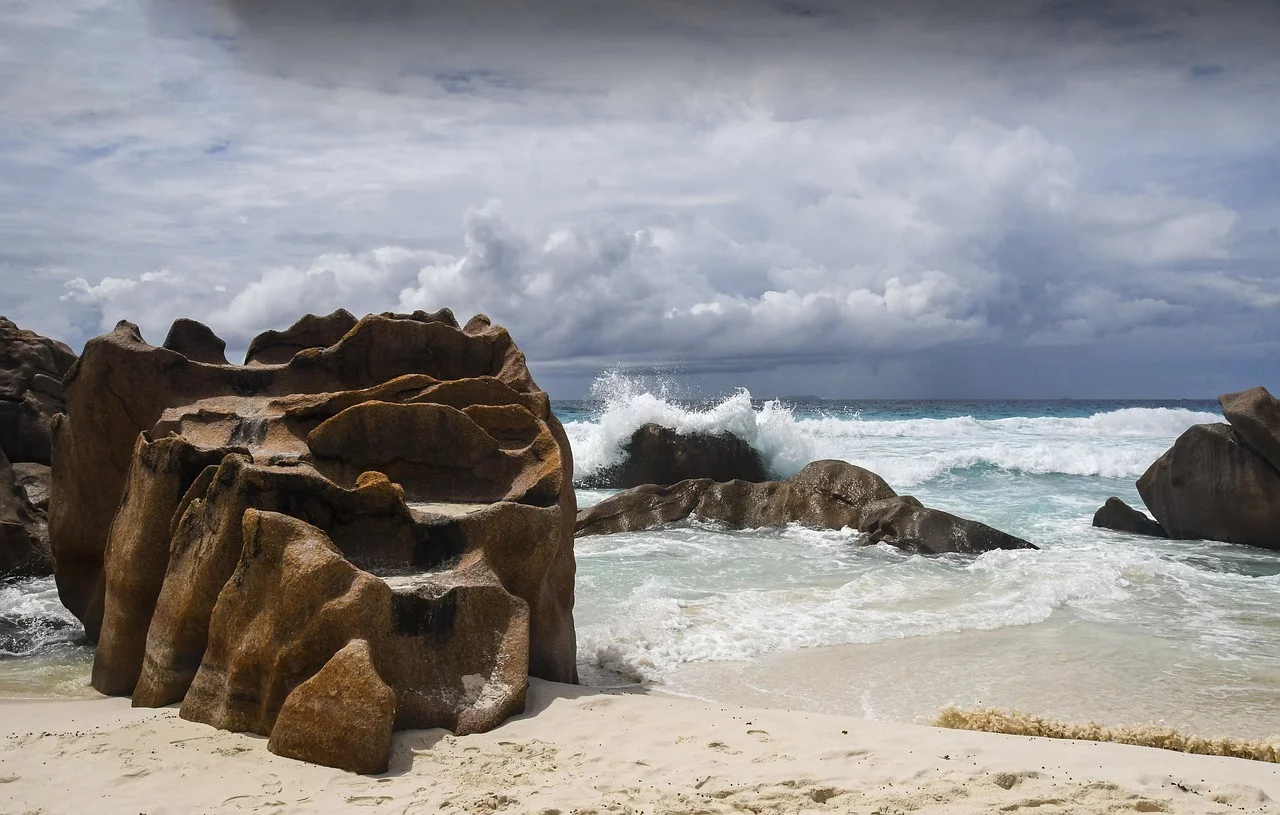
The sea is the main cause of accidents in summer. Check the beach flag (green, orange, red) and never swim under a red flag: wind can raise surf and currents near the harbour jetty and the rock breakwaters. Many beaches have no lifeguard outside July-August; the depth increases quickly in places. Avoid swimming alone, in the evening or after alcohol. Sea urchins are plentiful on the rocks: wear water shoes. Jellyfish appear intermittently in late summer; if stung, rinse with seawater and see a pharmacy.
On boat trips to Zembra, choose a licensed operator with life jackets: the archipelago is a national park (UNESCO biosphere reserve) where landing requires a permit from the Defence ministry and the Forestry department, and access was closed to visitors in summer 2025. Do not board with a fisherman who has no permit.
Road
The road is the number one risk, even for pedestrians. Roads on the cape are narrow and poorly lit, overtaking is bold, and two-wheelers and carts travel without lights. Avoid driving at night, especially off the Tunis-Hammamet motorway. In town, cross with care: cars rarely give way. By louage, prefer daytime departures.
Heat and health
In July-August, highs exceed 38°C in the climate table: drink at least 2 litres of water a day, avoid the sun between noon and 4 pm, protect your skin. Food poisoning mostly hits travellers who eat poorly kept seafood: choose busy restaurants and eat fish well cooked. A measles alert appears on the France Diplomatie page: check that your MMR vaccines are up to date. Travel insurance with repatriation is advised.
Common scams
- Taxi without a meter: agree the price before getting in or insist on the meter.
- "Tourist" prices at the market: ask prices at several stalls, haggle politely.
- Fake guides at the fortress: entry is paid at the ticket desk, not to an intermediary.
- Street money changers: the dinar cannot be exported; change at a bank or licensed office and keep the receipt.
Women travellers, behaviour and the law
Women travelling alone move around without problems by day, but insistent remarks are common: discreet dress in town, firmness and busy places are enough. Public drinking, drugs (heavy penalties, including for cannabis use) and inappropriate gestures are punished. During Ramadan 2027 (roughly 8 February to 9 March), avoid eating or smoking in public by day.
Emergency numbers
- 197: police.
- 190: SAMU, medical emergencies.
- 198: civil protection and fire brigade.
Also keep the details of the French embassy or consulate in Tunis (check diplomatie.gouv.fr) and your repatriation insurer's number. For current risks, register with Ariane (French nationals) or your own country's equivalent.
Before you go out
Tell your host where you are going when you head out for a hike or a boat trip, charge your phone, and carry a bottle of water and a hat. Mobile coverage is good in Kelibia and along the coast road, patchier on the tracks around the cape. If something is stolen, file a report at the local police station (needed for your insurer) and keep a copy.
Sources
The figures in this guide come from the sources below, checked on the publication date.