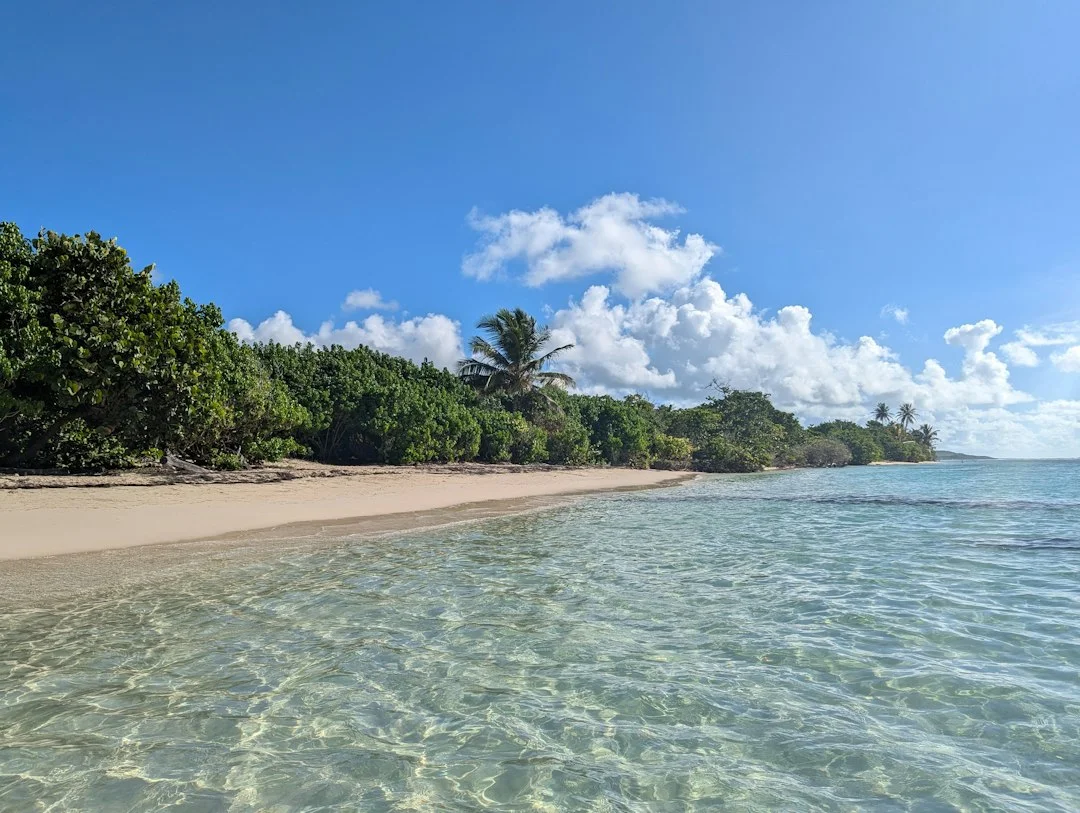

Pickpocketing is common: carry few valuables to the beach, keep your phone out of sight, use ride-hail at night. Police 190, ambulance 192, fire 193.
The real level of risk in Rio
Millions of tourists visit Rio every year without incident, but street crime is high and France Diplomatie gives precise advice on its Brazil security page (consulted November 2026). The main risk is not violence aimed at visitors but snatch theft, pickpocketing and opportunistic assault. The most exposed places are beaches, bus stops, the city centre at night and tourist districts in season.
Beaches: by day yes, at night no
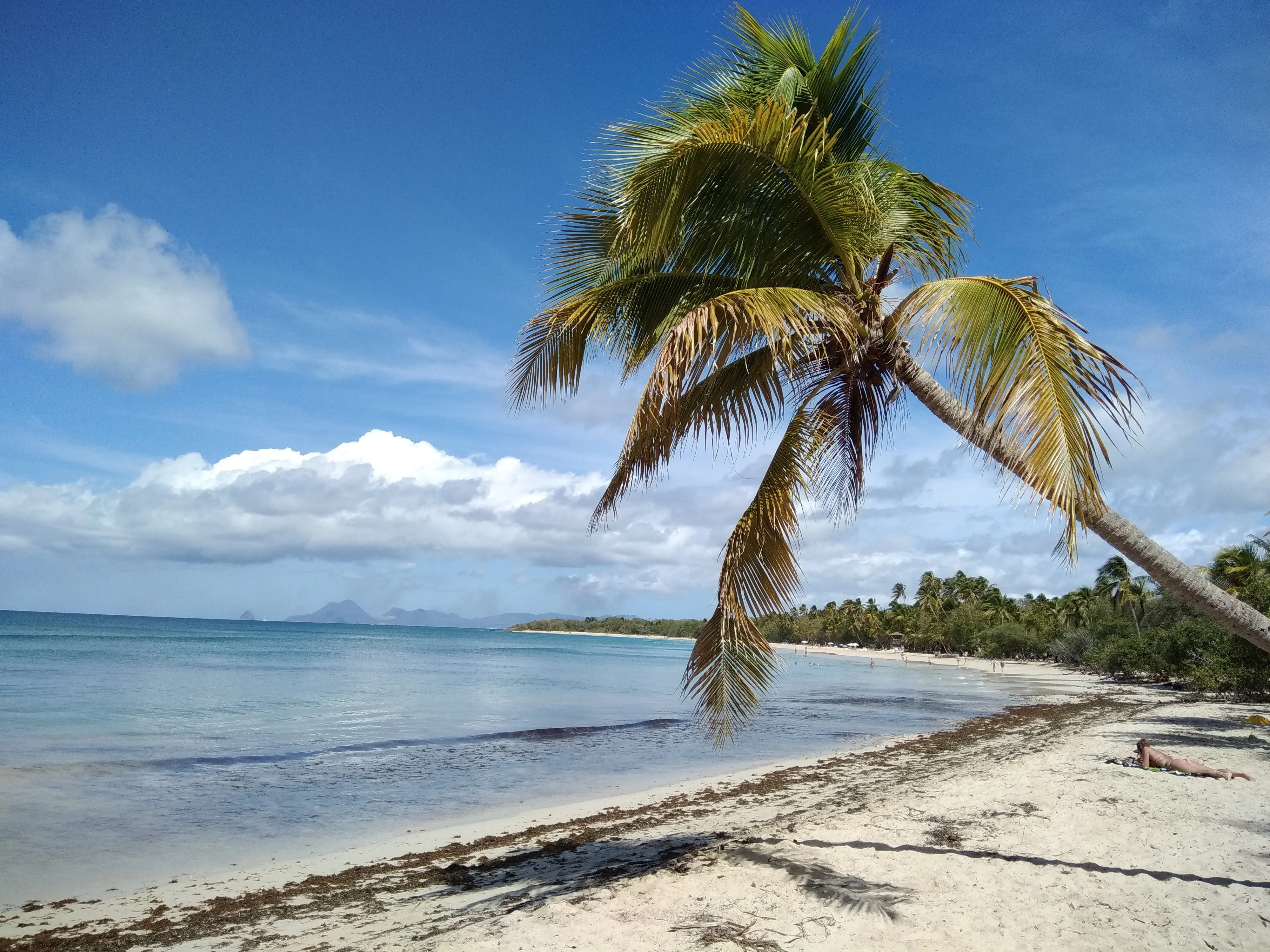
France Diplomatie advises not to visit beaches at night, in any district. Copacabana and Ipanema account for about two-thirds of thefts: take only what you need for a swim (a little cash, a key), never leave belongings unattended, and avoid going to the beach with luggage before a flight. Roaming vendors circulate freely and are part of the atmosphere: buy without pulling out wads of cash. Follow the lifeguards' instructions, as currents and waves are powerful; do not swim in heavy swell or under a red flag.
Phone, money and clothing
Most snatch thefts happen when the traveller takes a photo or orders a ride. Use your phone as little as possible in public, from inside a shop or restaurant rather than on the pavement, and never leave it on a café table. Do not wear jewellery, a watch, branded clothing or a backpack that is easy to open: prefer a pouch under your clothes. Carry a photocopy of your passport and leave the original in the hotel safe. Keep only small notes (50 reais at most) and minimal cash. Watch your bank card during payments, as fraud and cloning are common.
Favelas: do not go
France Diplomatie strongly discourages visiting favelas (comunidades), even with a guide, because police operations there often involve gunfire. Some GPS apps may route you through them: travel by ride-hail and refuse any route that crosses them. Rental cars can also attract attention. If a journey leads into an unfamiliar area, get out or turn back without arguing.
Lapa, Santa Teresa and the city centre
Lapa and Santa Teresa are targeted by criminals during the high tourist season, October to March. Visit the city centre on weekdays, roughly 10 am to 5 pm; in the evening, avoid it and do not stay. For Corcovado, go up by funicular or municipal minibus, never by the forest trail without a guide. After a Maracanã match, do not linger nearby. The metro is described as safe, whereas buses are less secure and drivers often speed; do not hail motorcycle taxis in the street, and check the plate of your ride-hail car.
Scams and spiked drinks
Some tourists have been drugged to be robbed or assaulted. Never leave your drink unattended, accept no drink, food or cigarette from a stranger, and never drink from someone else's glass. Be wary of online dates that lead to an isolated place and of unofficial taxis from the airport: use the official counter taxis or a ride-hail booked in the app.
If you are mugged
Do not resist or negotiate: hand over your belongings, which limits the physical risk. Keep a small note to give if you can. The aim is to stay unharmed, not to save a phone. Once safe, file a report and block your cards and phone; most insurers require a theft report.
Health and weather
Dengue is spread by mosquitoes: repellent is useful all year and essential in summer. France Diplomatie recommends yellow fever vaccination before any trip to Brazil. On Tijuca Forest trails, summer storms cause rockfalls and landslides: check the weather before setting out.
Emergency numbers and tourist police
- 190: military police.
- 192: SAMU, ambulance.
- 193: fire brigade.
- 199: civil defence, listed by France Diplomatie.
- DEAT (Delegacia Especial de Atendimento ao Turista): a police station specialised in assisting tourists, located in Leblon. Operators mostly speak Portuguese; carry the address written down.
The French Consulate General in Rio de Janeiro is at Avenida Presidente Antônio Carlos, number 58. Register with Fil d'Ariane before departure to receive official alerts, and read France Diplomatie's security page before and during your trip.
Sources
The figures in this guide come from the sources below, checked on the publication date.
- en.wikipedia.org
- en.wikipedia.org
- en.wikipedia.org
- en.wikipedia.org
- en.wikipedia.org
- en.wikipedia.org
- www.diplomatie.gouv.fr
- en.wikipedia.org
- www.diplomatie.gouv.fr
- www.getyourguide.com
- www.diplomatie.gouv.fr
- www.diplomatie.gouv.fr
- blog.wego.com
- www.aircanada.com
- riotimesonline.com
- www.riotimesonline.com