

Albania is a fairly safe country for tourists; the real risks are roads, mountains and earthquakes, with 112 for emergencies.
Albania: a fairly safe country with well-identified real risks
Foreign visitors travel the country without difficulty. Thefts and assaults targeting tourists remain rare. Canada advises to "take normal security precautions". Check the Albania page of the French foreign ministry before each departure: it publishes occasional alerts (measles, demonstrations in Tirana). When there is a gathering or demonstration, avoid the surroundings of official buildings and Skanderbeg Square.
Roads: risk number one
Driving is aggressive: overtaking on bends, ignored traffic lights, helmetless scooters. Secondary roads are poorly maintained, with potholes and animals (cows, goats, dogs) roaming free. The same rules apply to everyone:
- avoid driving at night outside towns, where there is no lighting or marking;
- in winter, mountain roads in the north and south-east are dangerous;
- respect speed limits: police checks are frequent;
- a 4x4 is advised for tracks outside towns, notably towards Theth, Valbona and remote villages.
Mountains and hiking
The Albanian Alps (Theth, Valbona) are superb but committing. Not all trails are marked, summer thunderstorms build fast in the afternoon, mobile reception is patchy and rescue is slow. Start early, carry 2 litres of water, a torch and an offline map, tell your guesthouse your route and hire a local guide for the Theth-Valbona pass crossing (about 6 to 7 hours). Away from marked roads and trails, be careful near the Kosovo border, where mines remain: stay on existing paths.
Sea, beaches and currents
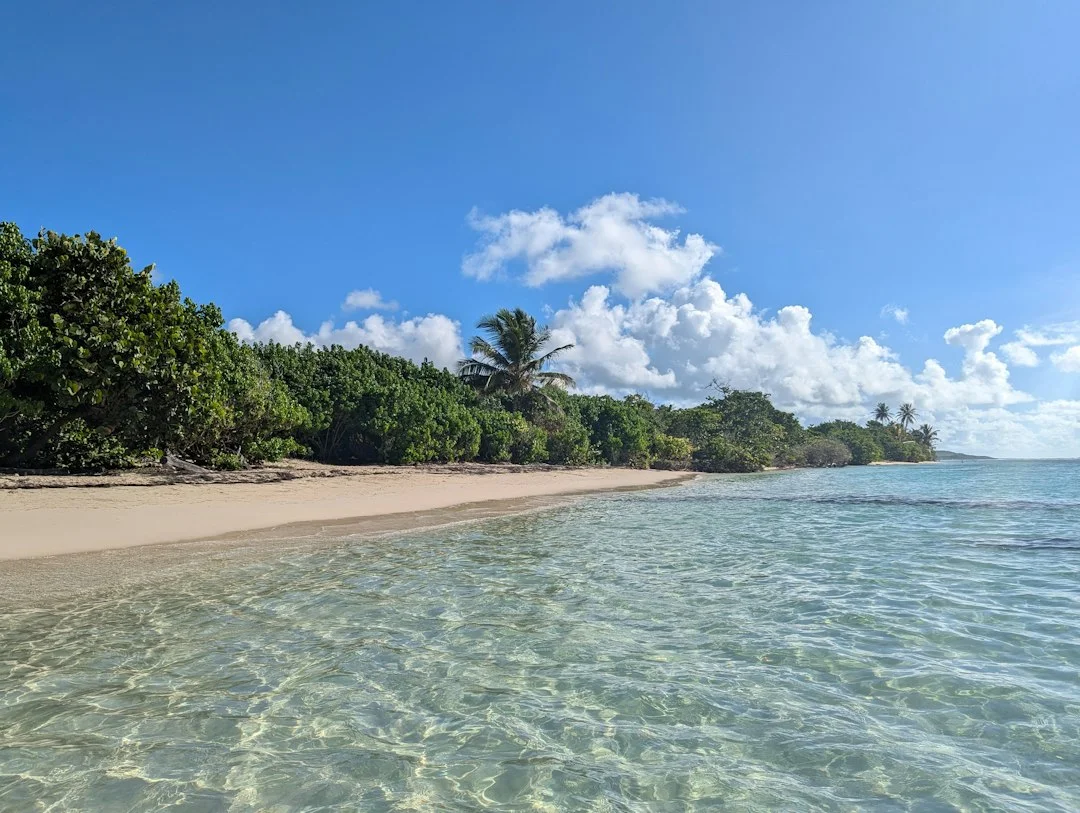
On the Riviera, not all beaches are supervised. Rip currents and waves after a blow can surprise you, notably on open coastal beaches; swim near other people and do not stray far from shore in rough seas. Watch for sea urchins on rocky bottoms and wear water shoes. On boat excursions, insist on a life jacket.
Earthquakes
Albania sits in an active seismic zone: light tremors occur regularly, and the 2019 earthquake near Durrës was deadly. In a quake, move away from façades, shelter under a table or doorframe, then go outside. Locate your lodging's exits on arrival.
Scams and small hassles
- Taxis: agree the price before getting in, notably at Tirana airport.
- Restaurants: ask for the menu and check the bill, especially for fish sold by weight.
- Money: change at official offices, not in the street.
- Stray dogs: avoid petting them; rabies exists in wildlife.
Health and emergency numbers
Care is limited outside Tirana, with large gaps between public and private. Insurance with evacuation is essential, because the EHIC is not valid. Protect yourself from ticks when hiking. Useful numbers: 112 (general emergencies), 129 (police), 127 (ambulance) and 128 (fire). Keep the details of your embassy in Tirana and of your insurer.
Simple habits before leaving
Register with your ministry's travel scheme (Ariane for the French), share your itinerary with a relative, download an offline map and keep a paper copy of your emergency contacts. In mountain guesthouses, ask your host for tomorrow's weather: they know the passes better than any app. On the road, fill up before leaving towns: stations are rare in remote valleys. Finally, leave slack in your schedule: a 100 km drive can take three hours.
Women travellers and solo travel
Solo travellers, women included, generally report a welcoming country. The usual precautions apply: avoid isolated paths after dark, choose guesthouses with recent reviews, and do not accept lifts from strangers on empty mountain roads. In rural areas, modest clothing is appreciated in villages and when entering mosques or monasteries.
For children, check that car seats are available with your rental and keep them close on roads without pavements, which are common in villages.
Areas and situations to avoid
Avoid poorly lit outer districts of Tirana at night, isolated beaches with valuables left unattended and unlicensed boat trips. Put your passport and cash in the lodging's safe when there is one, and leave nothing visible in a car parked near beaches.
One last point on timing: most incidents involve fatigue or haste, so schedule rest days between long drives and hikes, and never start a mountain descent in the late afternoon without a headlamp and a clear plan for where you will sleep that night.
Sources
The figures in this guide come from the sources below, checked on the publication date.