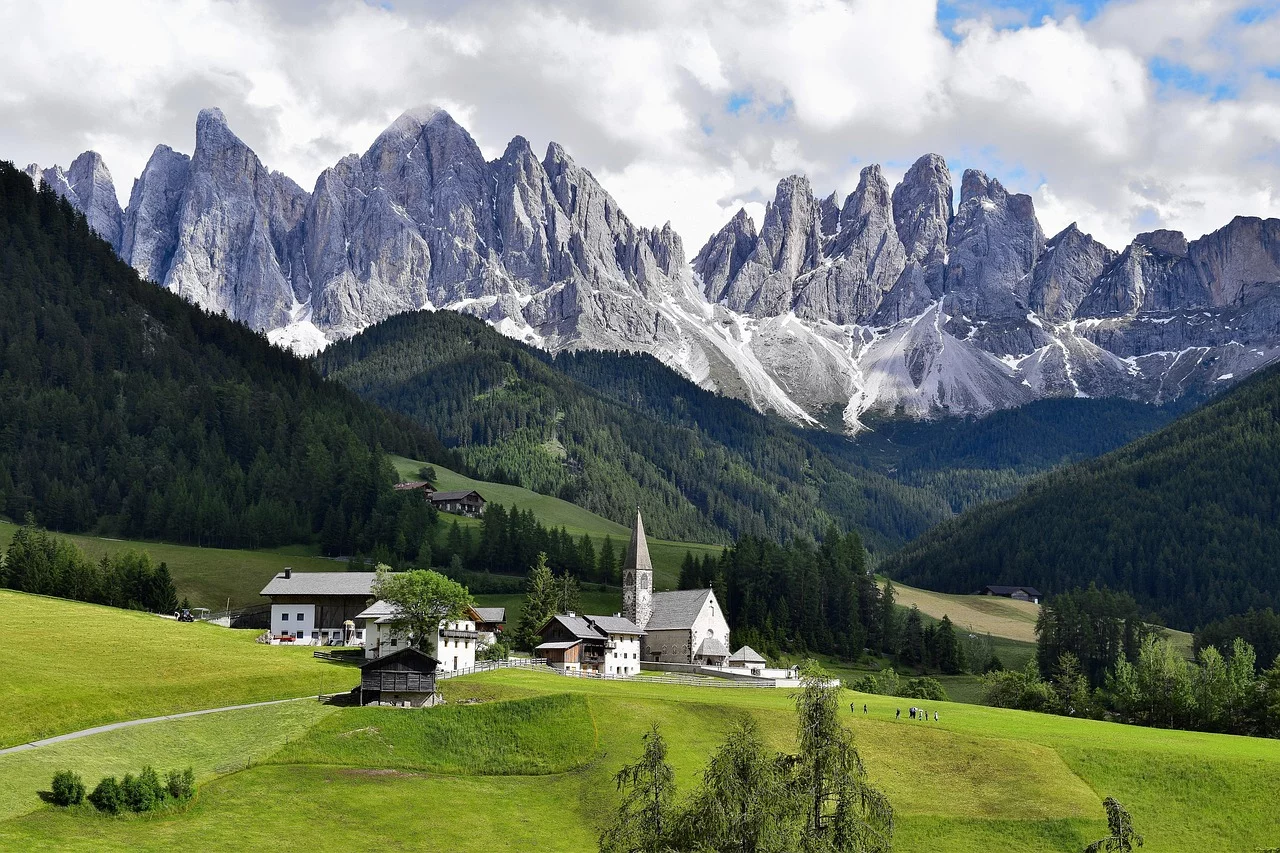


Montenegro is a safe country with low crime; the real risks are mountain roads, wildfires from April to October and Durmitor's hiking trails.
Official vigilance level
As of the date consulted (22 November 2026), France Diplomatie's Montenegro page, updated 10 September 2026, carries no country-specific vigilance level: the "reinforced vigilance" alert published that day does not list Montenegro among its regions. A health alert on measles, posted in March 2026, applies, as for other countries. Canada rates the country at "normal precautions". The UK mostly details road, fire and mountain risks. The French embassy in Podgorica has limited means in a crisis: register on Ariane before you go, or with your own government's traveller alert service.
Crime and scams
Crime targeting tourists remains low. The main risk is pickpocketing: lanes in Kotor and Budva in summer, beaches, airports, buses. Use the hotel safe and leave no luggage visible in the car. Avoid isolated areas at night, especially alone. Score-settling between organised groups has hit bystanders in a few towns; if the mood turns tense, leave.
- Taxis: agree the fare before setting off or use an app; at Podgorica airport, take a licensed taxi in front of the terminal.
- Bank cards: withdraw cash at a bank branch, inspect street ATMs, keep your card in sight when paying.
- Protests: frequent outside public buildings, generally peaceful; they can block a road for several hours.
Roads: the first real risk
Roads are fair on the coast, harder in rural areas and in winter. The Morača canyon, a two-lane road between Podgorica and Kolašin, is dangerous in bad weather. Mountain roads to Durmitor, Lovćen and Ostrog are narrow, winding and sometimes without guardrails. Risky overtaking is common: drive slowly, honk before blind corners and let the impatient pass. In summer, coastal traffic and border queues can run to several hours. A pedestrian crossing within 100 m of a crossing without using it can be fined. Roadside assistance: Auto-Moto Association, +382 19 807, English spoken.
Wildfires, earthquakes and storms
Wildfire season runs from April to October and peaks in July-August, mostly on the coast and in the hinterland. Put out cigarettes, light fires or barbecues only in marked areas, leave no rubbish. Call 112 if a fire starts. The country is seismically active; small tremors occur all year, and the last serious earthquake was in 1979. Autumn storms can bring flash floods and rockfalls on mountain roads.
Mountains: Durmitor and Prokletije
Hikers get lost after leaving marked paths. For Bobotov Kuk (2,523 m) and the big loops, start early, carry 2 litres of water, a jacket and a charged phone, and tell someone your route. Snow lingers into June at altitude; afternoon storms break out in summer. Altitude sickness is possible on the summits. Ticks are active from March to October: wear long trousers and check yourself in the evening. 112 triggers mountain rescue; make sure your policy covers a helicopter.
Sea and beaches
Heed the flags and lifeguard instructions. Speedboats are common in summer: swim in marked areas. Watch for sea urchins on rocky seabeds, wear water shoes and ask locally about jellyfish. The sea rescue number is 129.
Seasonal risk calendar
- December to March: icy and snowy mountain roads, heavy rain on the coast (the page's climate table shows 283 to 323 mm in December and January), avalanche risk off-piste around Žabljak and Kolašin.
- April to June: lingering snow on high trails, strong Tara current during snowmelt, the start of wildfire season.
- July to August: 31°C heat, wildfires, pickpockets in crowded lanes, speedboats near beaches, border queues.
- September to November: sudden storms, flash floods and rockfalls on mountain roads, shorter daylight for hiking.
Useful numbers
- 112: general emergency (police, ambulance, fire, mountain rescue).
- 129: sea rescue.
- Your embassy in Podgorica: contact details on your foreign ministry's website.
Health and habits
The European Health Insurance Card is not valid: keep your insurance paperwork on you. Keep a passport copy separate from the original. Finally, register with your government's free traveller alert service to be notified of any major incident.
Sources
The figures in this guide come from the sources below, checked on the publication date.
- whc.unesco.org
- whc.unesco.org
- www.diplomatie.gouv.fr
- en.wikipedia.org
- www.montenegro.travel
- www.budgetyourtrip.com
- www.routard.com
- www.lonelyplanet.fr
- adriaticways.com
- adriaticways.com
- www.triplinkhub.com
- en.wikipedia.org
- fr.wikipedia.org
- www.gov.uk
- www.gov.uk
- www.gov.uk
- www.gov.me
- www.diplomatie.gouv.fr
- www.weather2travel.com
- www.budgetyourtrip.com
- www.skiresort.com