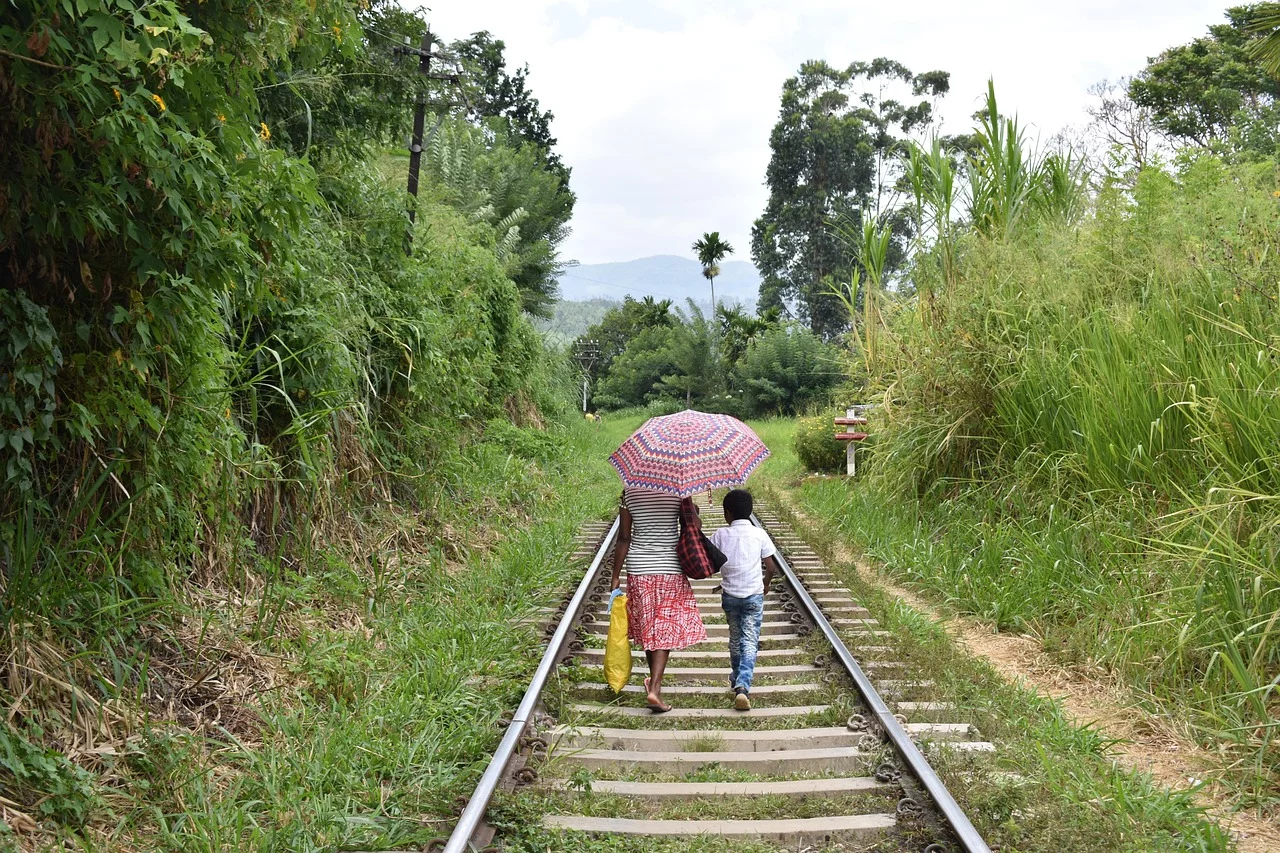


Kyrgyzstan is very safe regarding crime; the real risks are altitude, mountain roads and the immediate Tajik border area (Batken).
Official vigilance level
Kyrgyzstan is one of the safest countries in Central Asia for the independent traveler. The country's France Diplomatie page (updated 10 September 2026, consulted in November 2026) refers to its vigilance map: most of the territory is rated normal vigilance, and only the immediate surroundings of the borders, notably the Tajik border in the Batken region and its enclaves, call for heightened precautions, far from the northern tourist loop. Check the map before leaving and when booking, as it changes. This text gives a lasting framework, not a day-to-day alert.
The mountains: the main risk
Altitude, storms and fog: on the Ala-Kul trek, the 3,860 m pass can be swallowed by fog and snow from mid-afternoon, even in July. Acute mountain sickness threatens from 2,500 to 3,000 m; Song-Kul is at 3,016 m. Ascend gradually: one or two nights in Karakol or Kochkor before sleeping in a yurt, drink plenty of water and descend if headaches persist. Start early in the morning, before the afternoon storms, and do not attempt a pass if the weather looks doubtful. Mountain rescue remains rudimentary: you need to be self-sufficient, well equipped and covered by insurance that includes evacuation.
Riders at Song-Kul take a local guide. The horses are docile, but falls cause more injuries than you might think: a helmet is advisable. In the Jeti-Oguz and Skazka gorges, rockfall is a real risk after storms.
The road
The most concrete risk of the trip is the road. Local driving is fast and overtaking is risky; mountain roads are narrow, sometimes without guardrails. Avoid driving at night, and choose a driver recommended by your guesthouse or CBT. Shared cars and marshrutkas are often overloaded. On high-altitude tracks, unbridged rivers can cut the road after rain. Wear your seatbelt, even in the back.
Border zones and Batken
The borders with Tajikistan (Batken, Leilek) and Uzbekistan include enclaves and disputed lines. France Diplomatie advises against the immediate surroundings of the Tajik border: do not approach it, whatever the season, and follow the official map rather than a blog. For the Chinese border (Kel-Suu, Torugart) a permit is required; without it, border guards may refuse passage.
Crime and scams
Petty crime is limited to a few pickpockets in Bishkek's bazaars (Osh, Dordoi) and crowded marshrutkas. For taxis, use local apps rather than negotiating at the bus station. The most common scams are small: doubled prices for foreigners, fake police asking to see a passport, drivers imposing a detour. Ask to see a police ID and, if needed, offer to go to the station. Women traveling alone are generally welcomed, but avoid walking alone at night in Bishkek.
Health and water
Avoid tap water outside the capital; boil or filter stream water: herds in the high mountains contaminate it. Hepatitis A and typhoid spread through water and food, hence the vaccination. Rabies exists in shepherd dogs: do not pet any animal and seek care right after a bite. Hospitals in Bishkek are decent; elsewhere resources are limited, hence the insurance with repatriation. Protect yourself from the sun: altitude multiplies UV.
Earthquakes and nature
The country lies in a seismic zone. Note the exits in your accommodation and don't sleep beneath an unstable slope in the mountains. In summer, control campfires in dry meadows. In the mountains, avalanches threaten from November to April: winter is not a trekking season.
Packing and preparation
Carry a waterproof jacket, a fleece and a hat even in July: temperatures at 3,000 m can swing from 25 °C at midday to near freezing at night. Bring sun cream (high UV at altitude), sunglasses, water purification tablets and a headlamp for yurt camps, which often have no electricity. Download offline maps before leaving Bishkek, since the network drops in the valleys. Leave a copy of your passport and insurance contract with someone at home.
Emergency numbers
- 112: single emergency number.
- 102: police.
- 103: ambulance.
- 101: fire brigade.
Operators mostly speak Russian and Kyrgyz: keep the name and address of your accommodation written in Russian. Always tell your guesthouse your trek route and expected return time, and register on Ariane before departure.
Sources
The figures in this guide come from the sources below, checked on the publication date.