

Bali's main risks are scooter accidents, rip currents, methanol in alcohol, rabies and dengue; the emergency number is 112.
Bali is safe from violent crime, but several common risks injure or kill travellers every year: the road, the water, adulterated alcohol, and diseases carried by animals and mosquitoes. Check the "Travel advice" page of France Diplomatie before departure.
Scooter accidents
This is the top risk. Roads are narrow, one-way rules are poorly followed, and low-speed falls cause fractures and road rash. Wear a certified helmet, closed shoes and trousers; never ride at night or in the rain without experience. Without an international permit showing the motorcycle category, insurance refuses to pay, and a medical evacuation to Singapore tops $50,000. Private hospitals (BIMC in Kuta and Nusa Dua, Siloam in Denpasar) ask for a guarantee or a card before treating.
Sea and currents
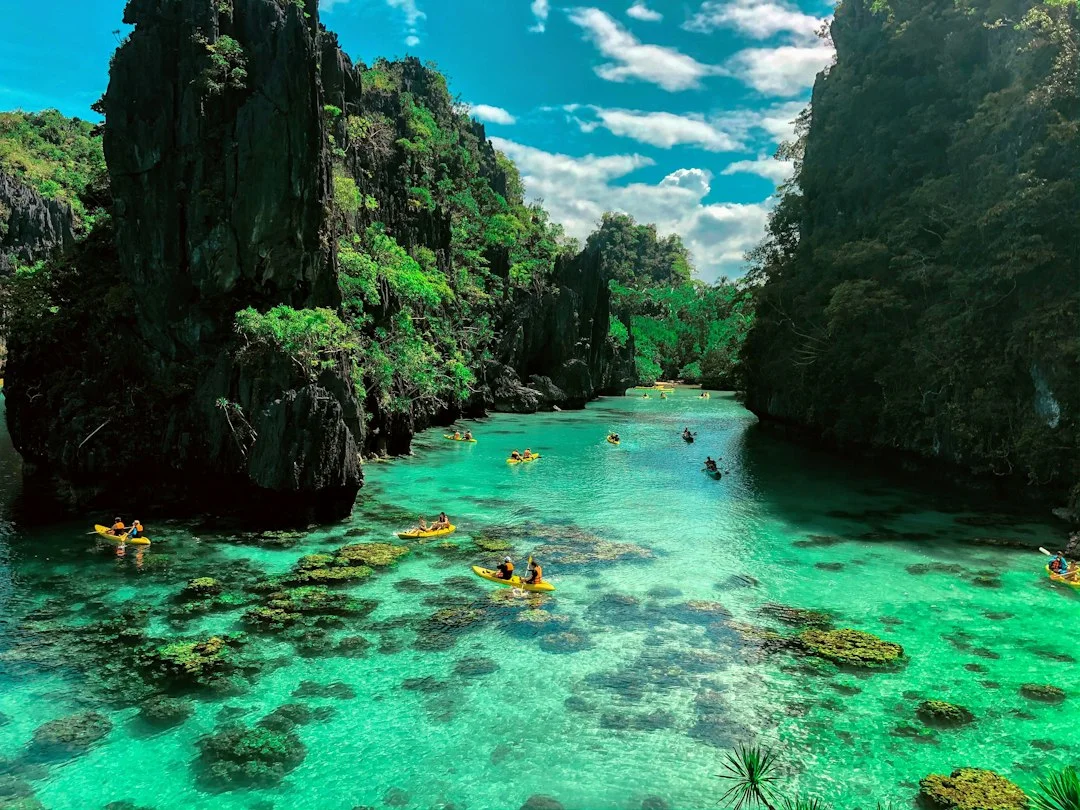
Many beaches are unpatrolled. Rip currents are dangerous at Kuta, Legian, Seminyak, Canggu and at the foot of the Uluwatu cliffs, especially at low tide and in a big swell. Swim between the red and yellow flags where they exist, never alone, and swim parallel to the beach to escape a current. Sanur, Nusa Dua and Jimbaran are much calmer. On Nusa Penida, do not go down to Diamond Beach or Atuh in heavy swell: the stairs are steep and the sea is dangerous.
Adulterated alcohol: methanol
Cases of methanol poisoning, some fatal, have been reported in Bali and Lombok from adulterated alcohol (arak, cocktails, cheap spirits). A few dozen millilitres can kill and 10 ml can cause blindness. Prefer beer, wine and sealed drinks; be wary of cocktails made from unlabelled bottles. Go to hospital immediately for vomiting, blurred vision or feeling unwell after drinking: do not put it down to a hangover.
Rabies, monkeys and dogs
Bali has had dozens of rabies cases reported by France Diplomatie, mostly from dog bites. The macaques of Uluwatu and Ubud's Monkey Forest bite and scratch: do not feed them, never show food, and remove glasses and caps. After any bite or scratch, wash for 15 minutes with soap and water and see a doctor the same day: post-exposure treatment is needed even if you are vaccinated.
Dengue and mosquitoes
Dengue circulates all year, peaking in the wet season. There is no curative treatment: avoid ibuprofen and aspirin, use a suitable repellent and wear covering clothes at dusk. There is no malaria in Bali.
Volcanoes and earthquakes
Bali has two active volcanoes: Agung (3,031 m) and Batur (1,717 m). Their alert level changes, so check MAGMA Indonesia (magma.esdm.go.id) before any trek. Earthquakes are a permanent risk. Ash from an eruption can close the airport for several days, so travel insurance covering cancellation and delay is a must.
Drugs, scams and petty crime
- Drugs: possession and use, even in tiny amounts, are punished heavily; the death penalty is possible for trafficking. Zero tolerance.
- Unofficial money changers: attractive displayed rates, notes "forgotten" in the count; use a bank or an authorised changer (look for PVA).
- Bag snatching from scooters in Kuta, Seminyak and Canggu: carry your bag on the inside.
- Isolated ATMs: card fraud; choose machines at a bank.
Protests and areas to avoid
France Diplomatie reports possible protests in several Indonesian cities; they rarely reach Bali, but avoid gatherings. Papua is advised against. Nothing of the sort applies to Bali.
Useful numbers
Single emergency number: 112. Ambulance: 118 or 119. Police: 110. French embassy in Jakarta: +62 21 23 55 80 00. Always keep your assistance insurer's contact details at hand.
Water, food and stomach upsets
Do not drink tap water: choose bottled water or large filtered refills, and skip ice from small stalls. "Bali belly" (traveller's diarrhoea) affects a large share of visitors: rehydrate with salts, and see a doctor if fever lasts more than 48 hours or blood appears. At Tirta Empul, the purification pools have had bacterial contamination: do not swallow the water and avoid bathing with an open wound.
Pack a basic kit: oral rehydration salts, antiseptic, plasters, repellent and sun cream. Pharmacies (Apotek, Kimia Farma) are common in tourist areas, but medicines containing codeine or psychotropics are controlled.
Sources
The figures in this guide come from the sources below, checked on the publication date.
- www.diplomatie.gouv.fr
- www.diplomatie.gouv.fr
- lovebali.baliprov.go.id
- whc.unesco.org
- en.wikipedia.org
- en.wikipedia.org
- en.wikipedia.org
- en.wikipedia.org
- en.wikipedia.org
- en.wikipedia.org
- www.welcomebacktobali.com
- www.zubludiving.com
- www.water-sports-bali.com
- www.erebora.org
- volcano.si.edu
- www.diplomatie.gouv.fr
- www.diplomatie.gouv.fr
- evisa.imigrasi.go.id
- rri.co.id
- travelaware.campaign.gov.uk
- www.baliholidaysecrets.com